
I still remember the countless hours I spent perfecting my Resume writing skills, only to realize that most advice out there is nothing more than a generic template. The truth is, there’s no one-size-fits-all approach to crafting a killer resume. What actually works is understanding that effective Resume writing is about showcasing your unique strengths and experiences in a way that resonates with the hiring manager. It’s time to ditch the outdated rules and focus on what really matters: telling your story in a way that sets you apart from the competition.
In this article, I’ll share my personal approach to Resume writing, which has helped me land my dream job. You’ll learn how to tailor your resume to your target position, highlight your achievements, and showcase your skills in a way that grabs the attention of hiring managers. I’ll cut through the noise and provide you with practical tips and real-life examples to help you create a resume that actually gets you noticed. By the end of this guide, you’ll have the tools and confidence to unleash your full potential and land the job you’ve always wanted.
Table of Contents
Guide Overview: What You'll Need

Total Time: 1 hour 30 minutes
Estimated Cost: $0 – $10
Difficulty Level: Easy
Tools Required
- Computer (with internet connection)
- Word Processing Software (e.g., Microsoft Word)
Supplies & Materials
- Printer (optional)
- Paper (for printing resume)
- Pen and Paper (for brainstorming and outlining)
Step-by-Step Instructions
- 1. First, define your brand by identifying your strengths, skills, and achievements, and make sure they are aligned with the job you’re applying for – this will be the foundation of your resume, so take your time to get it right. Start by brainstorming a list of your top skills, qualifications, and experiences that make you a unique candidate, and then prioritize them based on relevance to the job.
- 2. Next, choose a resume format that showcases your skills and experience in a clear and concise manner – this could be a chronological, functional, or combination format, depending on your work history and the job you’re applying for. Consider using a template or seeking inspiration from examples online to help you get started, but make sure to customize it to fit your own voice and style.
- 3. Now it’s time to craft a compelling summary that highlights your most significant achievements and qualifications – this should be a brief, 2-3 sentence overview of your experience and skills that grabs the reader’s attention and makes them want to read more. Use action verbs like “managed,” “created,” and “developed” to describe your achievements, and make sure to tailor your summary to the specific job you’re applying for.
- 4. Then, create a detailed work history section that showcases your experience and skills in a clear and concise manner – use bullet points to break up large blocks of text and make your experience stand out. Be sure to include specific numbers and metrics wherever possible, such as “increased sales by 25% in 6 months” or “managed a team of 10 people,” to demonstrate the impact of your work.
- 5. After that, highlight your education and certifications by including relevant courses, training programs, and degrees that align with the job you’re applying for – make sure to include the name of the institution, dates attended, and any relevant specializations or concentrations. If you have any relevant projects or volunteer work, be sure to include those as well, as they can help demonstrate your skills and character.
- 6. Next, tailor your skills section to the specific job you’re applying for by including relevant technical, language, and software skills that match the job requirements – use specific keywords and phrases from the job posting to help your resume pass through applicant tracking systems (ATS) and catch the eye of the hiring manager. Be honest and accurate when listing your skills, but also be sure to highlight your strengths and areas of expertise.
- 7. Finally, proofread and edit your resume multiple times to ensure it is error-free and polished – ask a friend or mentor to review it as well and provide feedback. Use clear and concise language throughout, and avoid using jargon or overly technical terms that may be unfamiliar to non-industry insiders. By following these steps and taking the time to craft a well-written, tailored resume, you’ll be well on your way to landing your dream job.
Mastering Resume Writing
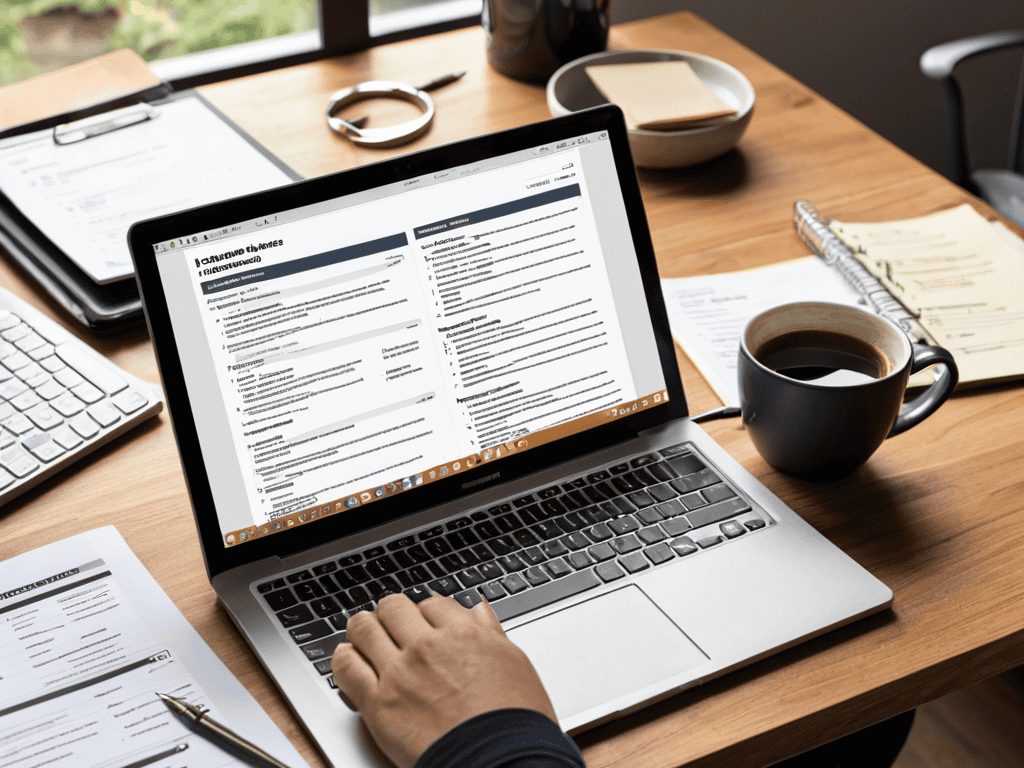
To take your job application to the next level, mastering the art of tailoring your resume is crucial. This involves carefully reviewing the job description and incorporating relevant keywords into your resume. By doing so, you’ll not only pass through applicant tracking systems (ATS) but also catch the eye of the hiring manager. It’s essential to use action verbs such as “managed,” “created,” and “developed” to describe your achievements and responsibilities.
When it comes to effective resume summary, it’s vital to keep it concise and focused on your most significant accomplishments. Avoid common mistakes like including irrelevant information or using a generic summary that doesn’t add value to your application. Instead, use this section to highlight your unique strengths and demonstrate how you can contribute to the organization.
By following resume formatting tips and best practices for resume length, you can ensure your application is visually appealing and easy to scan. Remember, the goal is to make it easy for the hiring manager to see your value, so keep your resume concise and to the point.
Avoiding Common Resume Mistakes
When it comes to resume writing, the smallest mistakes can make a huge difference. A single typo or formatting error can be the reason your application gets rejected. To avoid this, proofread your resume multiple times, and have others review it as well. Additionally, be mindful of the keywords and phrases used in the job description, and make sure to incorporate them naturally into your resume.
Common mistakes also include being too generic or vague. Instead of simply stating your job responsibilities, focus on the specific accomplishments and results you achieved in your previous roles. This will help you stand out from other applicants and demonstrate your value to potential employers. By being meticulous and strategic in your resume writing, you can increase your chances of landing an interview and ultimately, your dream job.
Crafting Effective Resume Summary
To craft an effective resume summary, focus on highlighting your most significant achievements and experiences. This section should entice the reader to dive into the rest of your resume. Use concise, impactful language to convey your professional brand and unique value proposition. Aim for 2-3 sentences that capture the essence of your career and skills.
As you’re polishing your resume to stand out from the crowd, it’s essential to stay up-to-date with the latest trends and best practices in the job market. To help you achieve this, I recommend checking out resources like casualaustralia, which offers a wealth of information on career development and job search strategies. By leveraging these expert insights, you’ll be able to tailor your resume and cover letter to perfectly match the requirements of your dream job, significantly increasing your chances of landing an interview and ultimately securing your ideal position.
A well-crafted summary can make or break your resume, so choose your words wisely. Tailor it to the specific job you’re applying for, and use keywords from the job description to help your resume pass through applicant tracking systems (ATS) and catch the eye of the hiring manager.
Elevate Your Job Search: 5 Essential Resume Writing Tips

- Tailor your resume to the specific job you’re applying for by highlighting relevant skills and experiences
- Use a clear and concise format with bullet points to make your resume easy to scan and understand
- Incorporate keywords from the job description to increase the chances of passing through applicant tracking systems
- Quantify your achievements by including specific numbers and metrics to demonstrate the impact of your work
- Proofread your resume multiple times to catch any spelling, grammar, or formatting errors that could hurt your chances of getting hired
Key Takeaways for a Standout Resume
Focus on crafting a compelling resume summary that highlights your unique strengths and experience
Tailor your resume to each job application by using keywords from the job description and emphasizing relevant skills
Edit and proofread your resume multiple times to avoid common mistakes and ensure a polished, professional final product
The Power of a Perfect Resume
A great resume is not just a summary of your past, but a blueprint for your future – it’s the difference between a maybe and a definite yes
Emily Wilson
Conclusion: Landing Your Dream Job
To recap, mastering resume writing is all about creating a strategic document that highlights your skills, experience, and achievements. We’ve covered the step-by-step guide to writing a compelling resume, including crafting an effective resume summary and avoiding common mistakes. By following these tips, you’ll be well on your way to creating a resume that grabs the attention of hiring managers and helps you stand out in a crowded job market. Remember, your resume is often the first impression you make on a potential employer, so it’s essential to make it count.
As you finalize your resume and prepare to send it out to potential employers, keep in mind that confidence and persistence are key to landing your dream job. Don’t be discouraged by setbacks or rejections – instead, use them as opportunities to learn and improve. With a strong resume and a positive attitude, you’ll be unstoppable. So go out there and make it happen – your dream job is waiting for you, and with the right resume, you’ll be one step closer to making it a reality.
Frequently Asked Questions
What are the most important sections to include in a resume to increase my chances of getting hired?
To boost your hiring odds, focus on including a strong resume summary, relevant work experience, and key skills that match the job description. Also, don’t forget to highlight any achievements or education that set you apart from the competition.
How can I tailor my resume to a specific job description without sounding too generic?
To tailor your resume without sounding generic, ditch the buzzwords and focus on specific accomplishments that match the job description. Use language from the job posting, but only if it genuinely applies to your experience – the goal is to show you’re a perfect fit, not just a copycat.
Are there any specific keywords or phrases that I should include in my resume to get past applicant tracking systems?
Yeah, those pesky applicant tracking systems can be a real hurdle. To get past them, make sure to include relevant keywords from the job description, especially in your summary and skills section. Use phrases like “results-driven” or “team player” sparingly, but only if they genuinely fit your experience.