I still remember the first time I stumbled upon a pop-up shop in London – it was a surreal experience that left me questioning the entire concept of retail. The rise of pop-up shops and events has been a trending topic in the industry, with many claiming it’s the future of retail. But, let’s get real, how many of these temporary shops are actually providing a unique experience, rather than just being a marketing gimmick? I’ve seen my fair share of overhyped pop-ups that promised the world but delivered nothing but a fancy Instagram backdrop.
As someone who’s worked in the trenches of trend forecasting, I’m here to give you the lowdown on the rise of pop-up shops and events. In this article, I’ll be cutting through the hype and providing you with honest insights on what’s driving this phenomenon and how it’s changing the way we experience retail and culture. I’ll share my own experiences, from the streets of London to the latest indie films, to help you understand the cultural significance behind these temporary shops. My goal is to empower you with knowledge, not just trendy advice, so you can make informed decisions about the brands and experiences you support.
Table of Contents
Beyond the Hype
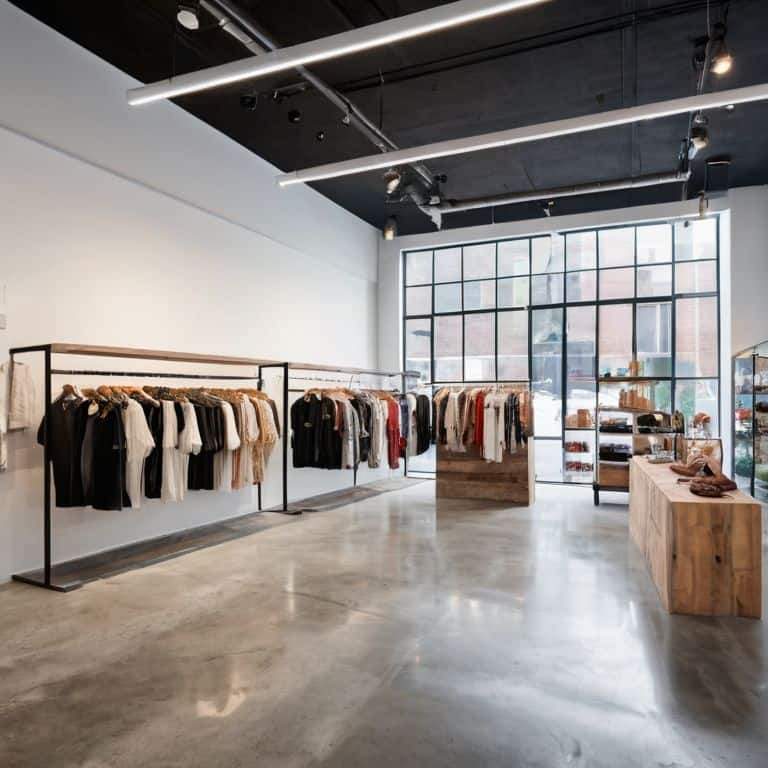
As I delve into the world of pop-up shops and events, I’m struck by the temporary retail strategy that’s taking the industry by storm. It’s no longer just about selling products, but about creating an immersive brand experience that leaves a lasting impression on customers. I’ve noticed that many brands are opting for short-term lease retail spaces, which allows them to test new markets, products, and concepts without making a long-term commitment.
The key to a successful pop-up shop lies in its design. Pop-up shop design ideas are becoming increasingly sophisticated, with many brands incorporating interactive elements, art installations, and even virtual reality experiences. This shift towards experiential marketing trends is not only driving customer engagement but also providing valuable feedback for brands to refine their products and services. By creating memorable experiences, brands can build a loyal community of customers who will advocate for them long after the pop-up shop has closed.
As I explore the streets, camera in hand, I’m constantly on the lookout for the next big thing in event-based retailing. From fashion brands to food companies, everyone seems to be jumping on the pop-up shop bandwagon. But what’s driving this trend, and how can we expect it to evolve in the future? I believe that the key to success lies in creating immersive brand experiences that combine physical and digital elements to create a seamless and engaging experience for customers.
Decoding Temporary Retail Strategy
As I delve into the world of temporary retail, I notice a recurring theme – the use of immersive experiences to draw customers in. This strategy is not just about selling products, but about creating a memorable interaction that leaves a lasting impression. By leveraging pop-up shops and events, brands can tap into the desire for unique experiences that go beyond traditional retail.
The success of temporary retail lies in its ability to create a sense of urgency, driving customers to make purchases on the spot. This limited-time-only approach encourages impulse buying and fosters a feeling of FOMO (fear of missing out) among consumers.
Experiential Marketing Trends Uncovered
As I delve into the world of pop-up shops and events, I’ve noticed a significant shift towards immersive experiences. Brands are no longer just selling products, but rather, they’re selling a lifestyle, a vibe, or a feeling. This trend is all about creating memorable interactions between the brand and the consumer.
The key to successful experiential marketing lies in authentic storytelling. By crafting a narrative that resonates with their target audience, brands can create a sense of connection and community, driving engagement and loyalty. I’ve seen this play out in various forms, from interactive installations to live performances, all designed to leave a lasting impression on attendees.
The Rise of Pop Up Shops
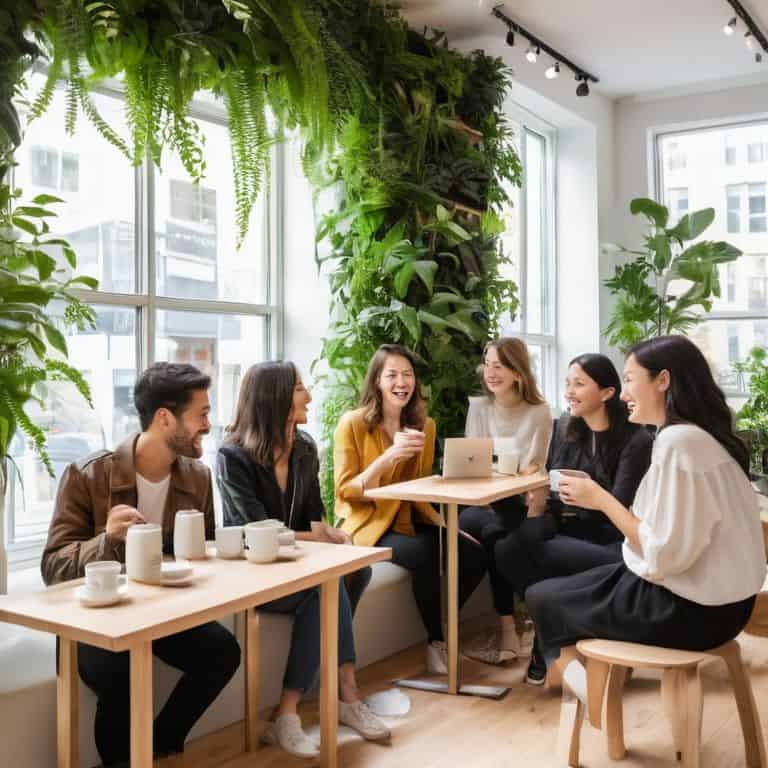
As I wander through the city, I’ve noticed a significant shift in the way brands are interacting with consumers. Temporary retail strategy has become a key player in this game, allowing companies to create immersive brand experiences that leave a lasting impression. These pop-up shops are no longer just about selling products, but about crafting an emotional connection with the customer. By leveraging experiential marketing trends, brands can create engaging and memorable experiences that foster loyalty and drive sales.
The design of these pop-up shops is also worth noting. With the rise of event-based retailing, companies are investing heavily in pop-up shop design ideas that are both visually striking and Instagram-worthy. This fusion of art, culture, and commerce has given birth to a new era of retail, one that prioritizes immersive brand experiences over traditional sales tactics. As a cultural trend forecaster, I’m fascinated by the way these temporary retail spaces are redefining the way we interact with brands and products.
By embracing short-term lease retail, companies can test new markets, launch new products, and gather valuable feedback from customers without making long-term commitments. This flexibility has made pop-up shops an attractive option for brands looking to stay agile and responsive to changing consumer trends. As I continue to explore the city, I’m excited to see how these temporary retail spaces will continue to evolve and shape the future of retail.
Immersive Brand Experiences Redefined
As I walk through the city, I notice how pop-up shops and events are redefining the way brands interact with their audience, creating immersive experiences that linger long after the event is over. It’s no longer just about selling a product, but about crafting a memorable encounter that resonates with customers on a deeper level. This shift towards experiential marketing is a deliberate attempt to break free from the confines of traditional retail and forge a more personal connection with consumers.
The most successful pop-ups are those that manage to blur the lines between reality and fantasy, inviting visitors to step into a carefully curated world that reflects the brand’s values and aesthetic. By doing so, they not only generate buzz and drive engagement but also foster a sense of community and belonging among attendees, which can be a powerful catalyst for brand loyalty and advocacy.
Short Term Lease Retail Revolution
As I walk through the city, I notice the emergence of temporary retail spaces that seem to pop up overnight, only to disappear just as quickly. This phenomenon is not just a fleeting trend, but a deliberate strategy to create immersive brand experiences. The short-term lease model allows companies to test new concepts, products, and markets without making long-term commitments.
The beauty of this model lies in its ability to create a sense of urgency and exclusivity, driving customers to engage with the brand in a more meaningful way. By leveraging this approach, retailers can gather valuable feedback, build brand awareness, and generate buzz around their products, all while maintaining a high level of flexibility and adaptability.
Navigating the Pop-Up Landscape: 5 Essential Tips
- Understand your audience: Know who you’re trying to reach and create an experience that resonates with them, whether it’s through exclusive products, interactive installations, or immersive storytelling
- Choose the right location: Pop-up shops and events can thrive in unexpected places, so consider non-traditional venues like abandoned buildings, parks, or even rooftops to create a unique and memorable experience
- Keep it ephemeral: The temporary nature of pop-up shops and events is part of their appeal, so don’t be afraid to experiment and take risks – it’s a chance to try new things and gauge customer response
- Curate a compelling narrative: Use your pop-up shop or event as an opportunity to tell a story about your brand, whether through visual displays, performances, or workshops, and make sure it’s authentic and engaging
- Measure and adapt: Track the success of your pop-up shop or event and use the data to refine your strategy, whether it’s adjusting your marketing approach, tweaking your product offerings, or optimizing your logistics for future activations
Key Takeaways: Navigating the Pop-Up Shop Phenomenon
Pop-up shops and events are more than just a fleeting trend – they represent a fundamental shift in how brands interact with consumers and create immersive experiences that drive engagement and loyalty
The rise of temporary retail is closely tied to the growing demand for unique, shareable moments and the blurring of lines between online and offline consumer behavior, forcing brands to rethink their marketing strategies and focus on experiential storytelling
Ultimately, the success of pop-up shops and events hinges on their ability to tap into the cultural zeitgeist, providing audiences with a sense of authenticity, community, and novelty that can’t be replicated in traditional retail settings, and it’s this delicate balance that will determine the future of the experience economy
Unpacking the Phenomenon
The rise of pop-up shops and events isn’t just about fleeting retail experiences; it’s a symptom of our deeper desire for human connection, community, and authenticity in a world where the digital and physical are increasingly intertwined.
Sloane Palmer
The Future of Retail: Redefined
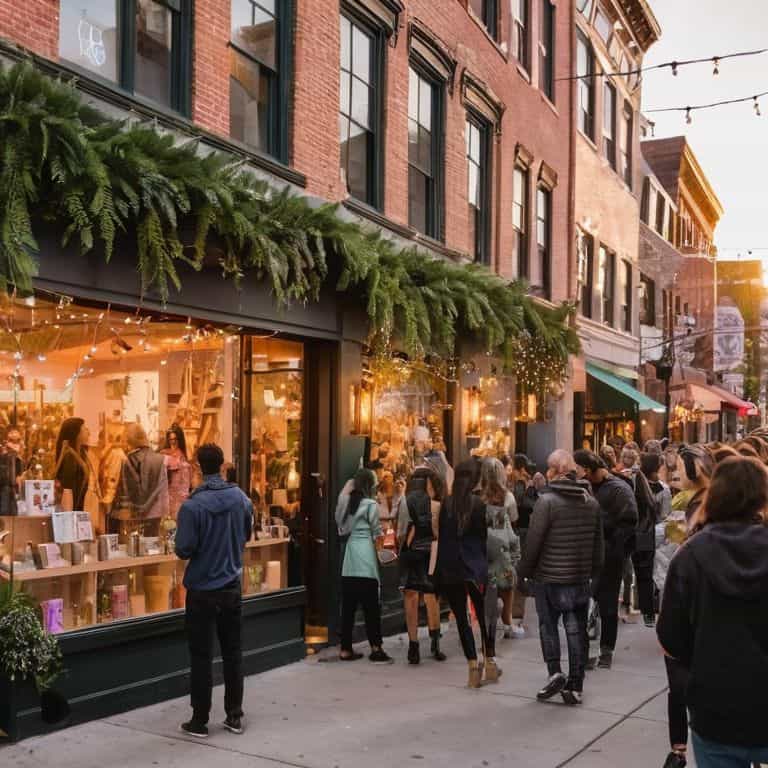
As I reflect on the rise of pop-up shops and events, it’s clear that this phenomenon is more than just a fleeting trend – it’s a cultural shift in the way we experience retail and interact with brands. From the immersive brand experiences that redefine traditional marketing strategies to the short-term lease retail revolution that’s changing the face of our cities, the implications are far-reaching. We’ve seen how pop-up shops and events are being used to create experiential marketing trends that drive engagement and foster a sense of community, and how this temporary retail strategy is allowing brands to connect with their audiences in new and innovative ways.
So, what’s next? As we move forward in this era of experiential commerce, I believe it’s essential to stay curious, keep exploring, and embrace the unknown. The rise of pop-up shops and events is not just about retail – it’s about creating meaningful connections, sparking curiosity, and pushing the boundaries of what’s possible. As we continue to navigate this evolving landscape, I’m excited to see how brands, artists, and entrepreneurs will continue to innovate and shape the future of retail, and I’m honored to be a part of this journey, decoding the trends and sharing the stories that will shape our world.
Frequently Asked Questions
What role do pop-up shops play in influencing consumer behavior and shaping brand identity?
Pop-up shops are a catalyst for influencing consumer behavior, as they create immersive, shareable experiences that foster brand loyalty. By crafting unique, temporary environments, brands can tap into the desire for novelty and exclusivity, redefining their identity and leaving a lasting impression on customers.
How do event organizers and retailers measure the success of pop-up shops and events, and what metrics do they use to gauge their impact?
To measure success, event organizers and retailers track engagement metrics like foot traffic, social media buzz, and sales conversions, as well as customer feedback and brand awareness surveys, to gauge the impact of pop-up shops and events on their target audience.
In what ways will the rise of pop-up shops and events change the traditional retail landscape, and what opportunities or challenges will this present for small businesses and entrepreneurs?
As pop-up shops and events proliferate, traditional retail will need to adapt to a more experiential, flexible model. This shift presents opportunities for small businesses and entrepreneurs to innovate and connect with customers in new ways, but also poses challenges in terms of logistics, marketing, and maintaining a consistent brand presence.