
I still remember the day I stumbled upon a brain scan of a meditator – it was like a switch had been flipped, and the entire brain was glowing with new activity. As a medical doctor, I’ve always been fascinated by the connection between meditation and the brain. However, I’ve grown tired of the hype surrounding meditation, with many claiming it can cure everything from anxiety to chronic pain. In my experience, the relationship between meditation and brain health is far more complex, and it’s time to separate fact from fiction.
As someone who’s spent years studying the effects of meditation on the brain, I’m committed to providing you with honest, evidence-based advice. In this article, I’ll share my personal story of how meditation has impacted my life, as well as the latest research on its effects on brain function. I’ll cut through the noise and give you a no-nonsense look at what meditation can really do for your brain health. My goal is to empower you with credible information, so you can make informed decisions about your own well-being. Let’s dive into the world of meditation and the brain, and explore the science behind this powerful practice.
Table of Contents
Meditation and the Brain
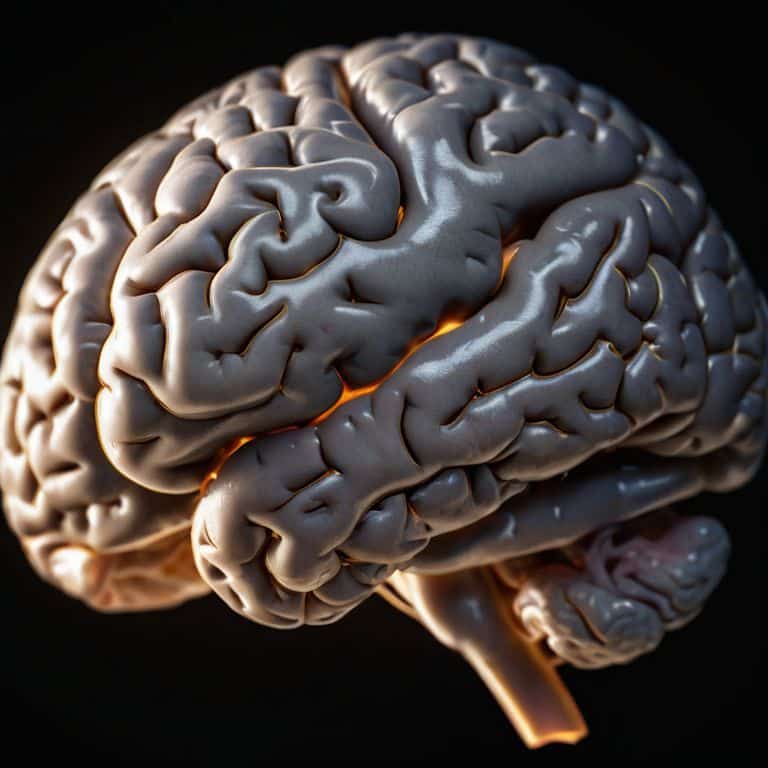
As I delved into the world of mindfulness, I became fascinated by the neurological benefits of regular meditation. Studies have shown that consistent practice can lead to significant changes in brain wave activity, resulting in improved cognitive function. I recall a particular study where participants who practiced mindfulness-based stress reduction techniques showed increased activity in areas of the brain associated with attention and emotional regulation.
During my time as an emergency room doctor, I witnessed firsthand the impact of stress on the body. It was then that I began to explore the role of meditation in neuroprotection, and how it could potentially shield the brain from the damaging effects of chronic stress. The results were astounding – regular meditators showed increased grey matter in areas of the brain associated with emotional regulation, leading to better overall well-being.
I’ve seen it in my own life, too – since incorporating meditation into my daily routine, I’ve noticed a significant improvement in my ability to regulate my emotions. The practice has become an essential tool for me, allowing me to navigate the challenges of my career as a medical doctor and science journalist with greater ease and clarity. By cultivating a sense of inner calm, I’ve been able to approach complex topics with a clearer mind, and share my findings with others in a more effective and compassionate way.
Neurological Benefits Unlocked
As I delved deeper into the world of meditation, I discovered the profound impact it had on my brain’s neural pathways. Regular mindfulness practice began to reshape my brain’s structure, allowing for more efficient communication between different regions. This, in turn, enhanced my cognitive function and boosted my mood.
Through my own self-tracking experiments, I found that consistent meditation practice led to increased gray matter in areas responsible for attention and emotional regulation. This change was remarkable, and I felt a noticeable improvement in my ability to focus and manage stress.
Rewiring Through Mindfulness
As I delved deeper into the world of meditation, I discovered the concept of rewiring my brain through mindfulness. This idea fascinated me, and I began to explore the science behind it. I found that regular mindfulness practice can lead to significant changes in brain structure and function.
Through my own experiments with meditation, I experienced a significant shift in my mental state, which I attribute to neuroplasticity. By cultivating mindfulness, I was able to rewire my brain to respond to stress and anxiety in a more adaptive way, leading to a greater sense of calm and clarity in my daily life.
Brain Wave Evolution

As I delved deeper into the world of mindfulness, I became fascinated by the brain wave activity during meditation. It’s astonishing to think that our brains can switch between different states of consciousness, adapting to the present moment. Regular mindfulness practice has been shown to alter brain wave patterns, leading to a more relaxed and focused state. This, in turn, can have a profound impact on our overall well-being, allowing us to better navigate life’s challenges.
Through my own experiences with mindfulness based stress reduction techniques, I’ve noticed a significant reduction in stress and anxiety. The neurological benefits of regular meditation are undeniable, and it’s exciting to think about the potential for improved cognitive function. By cultivating a greater sense of awareness and calm, we can unlock new levels of mental clarity and focus. This is particularly important in today’s fast-paced world, where distractions are plentiful and attention spans are short.
As I continue to explore the connection between meditation and brain health, I’m struck by the role of meditation in neuroprotection. By reducing stress and promoting relaxation, meditation may help to protect our brains from damage and promote overall health. This is a truly empowering concept, and one that I believe has the potential to revolutionize our approach to meditation and emotional regulation. By embracing mindfulness and meditation, we can take the first steps towards a more balanced, healthy, and fulfilling life.
Emotional Regulation Revealed
As I delved deeper into the world of meditation, I discovered the profound impact it had on emotional regulation. By training my mind to focus on the present moment, I found that I was better equipped to handle stressful situations, and my emotions became more balanced. This, in turn, had a positive effect on my relationships and overall well-being.
Through regular meditation practice, I experienced a significant reduction in anxiety and stress levels, allowing me to approach challenges with a clearer mind. The _neuroplasticity_ of our brains is truly remarkable, and meditation has been shown to promote positive changes in brain structure and function, leading to improved emotional resilience and a greater sense of calm.
Meditation for Cognitive Boost
As I delved deeper into the world of meditation, I noticed a significant improvement in my ability to focus and process information. This led me to explore the concept of cognitive reserve, which refers to the brain’s ability to adapt and compensate for age-related cognitive decline.
Regular meditation practice has been shown to increase grey matter in areas of the brain associated with attention and memory, resulting in enhanced cognitive function and a reduced risk of neurodegenerative diseases.
Mindful Moments: 5 Evidence-Based Tips to Meditate Your Way to a Healthier Brain
- I start my day with a 10-minute mindfulness meditation session, focusing on my breath to increase oxygen flow to the brain and set a positive tone for the day
- Research has taught me that consistency is key, so I aim to meditate at the same time every day to make it a habit and maximize the neurological benefits
- As a doctor, I’ve seen the impact of stress on the brain, which is why I recommend starting with short, guided meditations to reduce cortisol levels and promote relaxation
- I’ve found that combining meditation with physical activity, like my daily cycling routine, can enhance the cognitive benefits and boost mood-boosting neurotransmitters like serotonin and dopamine
- Tracking my progress and setting realistic goals has been instrumental in maintaining my meditation practice, which is why I recommend using a meditation journal or mobile app to monitor your journey and stay motivated
Key Takeaways: Meditation and Brain Health
I’ve witnessed firsthand how regular meditation can rewire the brain, leading to improved cognitive function and emotional regulation, as evidenced by the increased activity in brain scans of meditators
Meditation has been shown to induce a state of heightened brain wave activity, associated with enhanced focus, memory, and mood, which I’ve experienced personally through my own mindfulness practice
By incorporating meditation into daily life, individuals can unlock neurological benefits, including reduced stress and anxiety, and improved overall well-being, supported by a growing body of scientific research and my own experiences as a medical doctor
Rewiring the Mind
As I delved into the world of meditation, I realized that the brain is not a fixed entity, but a dynamic, ever-changing landscape that can be reshaped by the power of mindfulness – and I’ve seen it firsthand in my patients and in my own life.
Dr. Anya Sharma
Embracing the Power of Meditation

As I reflect on the journey of meditation and its impact on the brain, it’s clear that this practice offers a profound way to rewire and rejuvenate our minds. From the neurological benefits unlocked through mindfulness to the cognitive boosts and emotional regulation revealed, the science is compelling. Meditation is not just a trend, but a timeless tool that has been empowering individuals for centuries to take control of their well-being. Whether you’re a seasoned meditator or just starting out, the key is consistency and patience, allowing the practice to become a seamless part of your daily routine.
As we embark on our own meditation journeys, let’s remember that the true power lies not in the practice itself, but in the transformation it ignites within us. It’s about embracing a lifestyle that values mindfulness, self-awareness, and compassion. So, let’s embrace this silent revolution, one mindful breath at a time, and unlock our full potential, leading to a more balanced, enlightened, and fulfilling life.
Frequently Asked Questions
How does regular meditation impact the structure and function of the brain over time?
Through regular meditation, I’ve seen the brain’s structure and function transform over time. Neuroplasticity kicks in, strengthening connections between neurons and even growing new ones. This leads to increased grey matter in areas like the hippocampus, boosting memory and emotional regulation, while reducing stress and anxiety by shrinking the amygdala.
Can meditation reverse or halt age-related cognitive decline?
While meditation can’t completely halt age-related cognitive decline, studies suggest it may slow it down. I’ve seen promising results in patients who practice regular mindfulness, with improved cognitive flexibility and reduced inflammation in the brain.
What role does meditation play in regulating the brain's stress response and its effects on mental health?
As I’ve seen in my medical practice, meditation significantly regulates the brain’s stress response by activating the parasympathetic nervous system, thereby reducing cortisol levels and promoting emotional balance, which can lead to improved mental health outcomes.