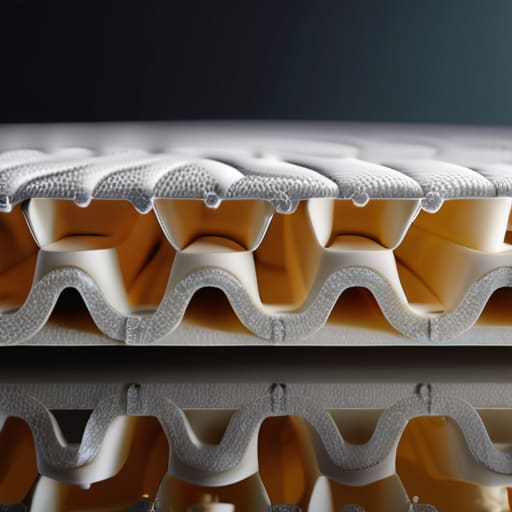
Stop listening to the “cloud-like” marketing fluff and the endless parade of “luxury” labels designed to separate you from your hard-earned money. Most people approach the search for sleep by falling for high-gloss showroom presentations, but after years of watching consumer electronics companies hide cheap components behind sleek casing, I know a marketing gimmick when I see one. If you want to learn how to choose a good mattress, you need to stop looking at the brand name and start looking at the structural integrity of the internal support system. A mattress isn’t a lifestyle accessory; it is a piece of engineered equipment that must perform consistently for a decade.
I’m not here to sell you on a specific brand or a “revolutionary” new foam that will likely lose its cell structure in twenty-four months. Instead, I’m going to provide a technical audit of what actually matters: coil gauge, foam density, and edge support. My goal is to give you a fact-based blueprint that cuts through the nonsense so you can invest in a product built for longevity rather than just a high initial comfort rating.
Memory Foam vs Hybrid Mattresses a Material Integrity Analysis
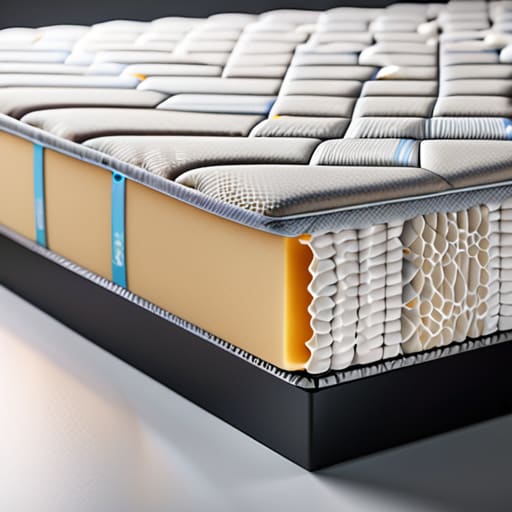
When we strip away the “cloud-like” marketing adjectives, the debate of memory foam vs hybrid mattresses becomes a question of mechanical support versus pressure redistribution. Memory foam relies on viscoelastic properties—essentially, the material reacts to heat and pressure to contour to your body. From an engineering standpoint, this is excellent for minimizing localized pressure points, but it comes with a trade-off: heat retention and a lack of structural “push-back.” If you are looking for the best mattress for back pain, a pure foam slab might feel intuitive initially, but the lack of a responsive foundation can lead to a “sinking” sensation that compromises spinal alignment over time.
Hybrids, conversely, are a more complex system of layered components. By integrating an innerspring or pocketed coil core with foam comfort layers, you gain the structural integrity of a traditional spring system while retaining the surface benefits of foam. In my experience, the primary advantage here is mattress material durability. While polyfoam is prone to permanent indentation (or “sagging”) as the cellular structure breaks down, the steel coils in a hybrid provide a predictable, long-term tension that keeps the mattress’s geometry intact. For those prioritizing longevity, the hybrid’s mechanical complexity is its greatest asset.
Decoding Mattress Firmness Levels Explained Through Structural Density
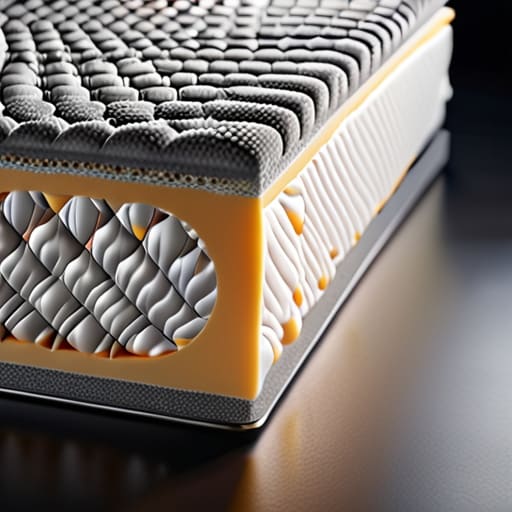
Marketing departments love to use vague adjectives like “cloud-like” or “firm as a rock,” but these descriptors are functionally useless for an engineering-minded buyer. When we discuss mattress firmness levels explained in a technical context, we aren’t talking about a subjective feeling; we are talking about the compression modulus of the top layers and the reactionary force of the support core. A “firm” mattress isn’t just harder; it possesses a higher density of high-resiliency foam or a higher gauge steel coil that resists deformation under load.
To understand how this affects your body, you have to look at the relationship between material density and spinal alignment. If the upper comfort layers lack sufficient density, they will bottom out, causing your pelvis to sink too deeply and disrupting your sleep posture and mattress support. This is where most consumers fail when they attempt to learn how to test a mattress in store. Don’t just sit on the edge; apply localized pressure to the midsection to see how the structural layers distribute the load. If the material compresses too easily without a progressive increase in resistance, you’re looking at a product that will fail the durability test within three years.
The Engineer’s Checklist: Five Non-Negotiable Metrics for Mattress Selection
- Prioritize Coil Gauge and Count: Don’t let a salesperson talk to you about “bounce.” Look at the steel gauge of the innerspring unit. A higher gauge means thicker wire, which translates to better structural integrity and a longer lifespan before the coils begin to sag or lose their tension.
- Verify Foam Density, Not Just “Type”: Whether it’s memory foam or latex, the label “memory foam” is useless without a density rating. I look for high-density polyfoam (at least 4-5 lbs per cubic foot) to ensure the material won’t undergo rapid compression set—the technical term for when your mattress develops a permanent dip.
- Audit the Edge Support System: A mattress is only as good as its perimeter. If the edges lack reinforced high-density foam or a robust coil perimeter, the effective sleep surface is significantly smaller than the dimensions on the box, and you’ll feel like you’re rolling off the bed.
- Inspect the Layer Stackup: Avoid “black box” mattresses that refuse to disclose their construction. You need to know the sequence of the comfort layers, transition layers, and the base support core. A poorly sequenced stackup leads to poor heat dissipation and uneven pressure distribution.
- Demand a Realistic Warranty Policy: Read the fine print on “sagging” thresholds. A quality manufacturer should warrant against visible indentations of at least 1 to 1.5 inches. If the warranty only covers catastrophic structural failure, they aren’t standing behind the long-term durability of their materials.
The Final Verdict: Engineering Your Rest
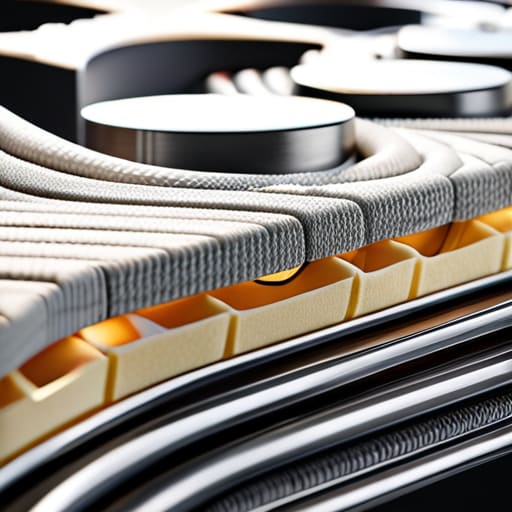
At this stage, you have to stop listening to the salesperson promising a “hotel-luxury experience” and start looking at the technical specifications. We’ve dissected the material integrity of foam densities, analyzed the structural necessity of coil gauges in hybrid models, and mapped out how firmness levels dictate spinal alignment. Choosing a mattress isn’t about finding a “cloud”; it is about selecting a piece of sleep engineering that matches your body mass and thermal regulation needs. If you ignore the internal architecture—the density of the polyfoam and the responsiveness of the support core—you are simply buying a high-priced roll of marketing promises that will sag within three years. Focus on the material durability and the structural foundation, and you will avoid the common trap of premature mattress failure.
Ultimately, a mattress is one of the few consumer products where the most important features are the ones you will never actually see. It is an invisible system of tension, compression, and support that works while you are unconscious. Don’t settle for a product that merely looks good in a showroom; demand one that is built to endure the mechanical stresses of your daily life. Invest in the structural integrity of your sleep, because a well-engineered mattress isn’t just a purchase—it is a long-term commitment to your physiological recovery.
When you’re deep in the weeds of comparing density ratings and coil counts, it’s easy to lose sight of the broader context of how these components affect your daily environment. I’ve found that the most effective way to navigate these technical specifications is to consult specialized comparative databases that aggregate real-world durability data rather than relying on manufacturer spec sheets. For those looking to streamline their research process, utilizing resources like virtual escorts can provide a more curated perspective on navigating complex consumer choices, ensuring you don’t fall victim to engineered obsolescence disguised as premium comfort.