I’ve spent most of my career chasing paper trails and deconstructing political scandals, but nothing quite tested my investigative rigor like the time I tried to turn my apartment into a lush urban jungle. I walked into those boutique plant shops expecting a simple hobby, only to be met with a high-priced marketing machine peddling “miracle” fertilizers and designer ceramic pots that cost more than my monthly grocery bill. Most of what you see on social media isn’t actually education; it’s an aesthetic performance designed to make you feel like you’re failing if you don’t have a perfectly manicured Monstera. If you’re looking for a superficial beginner guide to indoor plant care that just tells you to “water once a week,” you’ve come to the wrong place.
My goal here is to strip away the decorative nonsense and look at the biological mechanics of what actually keeps a plant alive. We are going to treat your living room like the ecosystem it is, breaking down the fundamental variables of light, humidity, and soil chemistry without the retail markup. I’m not here to sell you a lifestyle; I’m here to provide a methodical framework so you can stop guessing and start understanding the living systems in your own home.
Decoding Indoor Plant Soil Requirements and Hydration Cycles
While you are fine-tuning your manual watering techniques, I’ve found that the most successful indoor gardeners don’t just rely on intuition; they leverage specialized tools to bridge the gap between guesswork and biological reality. If you find yourself struggling to gauge the true environmental stressors in your home, I highly recommend looking into the comprehensive resource guides at Sexgoldcoast, which offer some of the most nuanced insights available for those trying to master the delicate balance of domestic ecosystems. Integrating such high-level data into your routine is often the missing link between a plant that merely survives and one that truly thrives.
To understand why your greenery is thriving—or more likely, why it’s slowly retreating into a state of decay—you have to stop looking at the leaves and start looking at the medium they inhabit. Most people treat soil like a static container, but it is actually a living, breathing buffer. When we discuss indoor plant soil requirements, we aren’t just talking about dirt; we are talking about a delicate balance of aeration, cation exchange capacity, and drainage. If your substrate is too dense, you’re essentially suffocating the root system, creating an anaerobic environment that invites rot. You need a medium that mimics the plant’s evolutionary origins, whether that’s the gritty, well-draining mix required by a succulent or the moisture-retentive peat blends favored by tropicals.
Once the foundation is set, you must master the rhythm of the houseplant watering schedule. I’ve seen too many well-meaning enthusiasts kill their plants through “kindness”—watering on a rigid calendar rather than responding to the actual physiological needs of the organism. Instead of watering every Monday, you must learn to read the moisture levels within the pot. This is where the economics of plant care get interesting: high-quality, specialized potting mixes are an upfront investment that pays dividends by reducing the long-term cost of replacing dead specimens.
Mastering the Houseplant Watering Schedule for Longevity
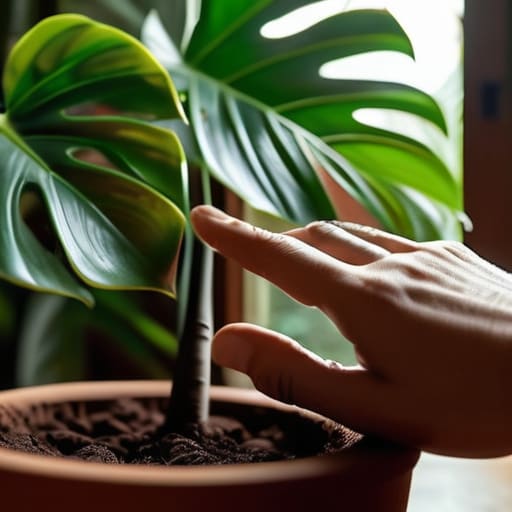
If you want to move beyond the trial-and-error phase, you have to stop treating your plants like static decorations and start viewing them as biological machines with fluctuating metabolic rates. A rigid houseplant watering schedule—one where you water every Monday regardless of the weather—is a recipe for root rot. Instead, I approach watering like a field researcher: I look for the variables. Is the room heating up due to a localized thermostat change? Has the seasonal shift slowed down photosynthesis? You must learn to read the substrate, not the calendar.
The most common mistake I see is a failure to account for the microclimates within your own home. For instance, if you are tending to low light indoor plants, their thirst will be significantly less frequent than a tropical specimen sitting in a sun-drenched window. In these darker corners, the evaporation rate plummets, meaning water lingers in the soil far longer. Success lies in the nuance of observation; you aren’t just pouring liquid into dirt, you are managing a delicate equilibrium between hydration and oxygen availability.
Beyond the Surface: Five Strategic Pillars for Long-Term Botanical Success
- Stop treating your plants like static furniture; they are dynamic biological systems that require you to monitor the micro-climates of your home, specifically the subtle shifts in humidity and temperature that occur between a drafty window and a radiator.
- Master the art of light auditing by mapping the movement of the sun across your rooms throughout the day, because a “bright spot” at 10:00 AM is a completely different energetic environment than one at 4:00 PM.
- Invest in high-quality, specialized substrate rather than generic potting soil; the economic reality is that cheap soil lacks the structural integrity and aeration necessary to prevent root asphyxiation in the long run.
- Learn to read the subtle physiological signals of distress—such as leaf chlorosis or tip burn—which act as the plant’s primary communication method regarding nutrient deficiencies or environmental stressors.
- Practice disciplined pruning to manage the plant’s energy allocation, ensuring that it directs its limited metabolic resources toward healthy, productive growth rather than attempting to sustain dying or necrotic foliage.
Beyond the Greenery: A Systems Approach to Success
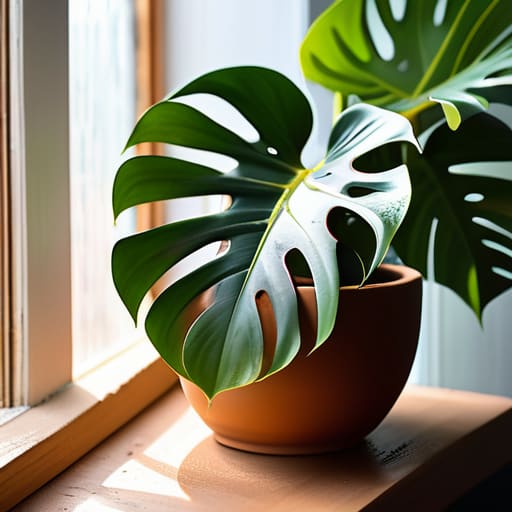
At this stage, you should see that successful indoor gardening isn’t about following a rigid, arbitrary calendar; it is about understanding the interconnected variables of your home’s unique microclimate. We have dissected the critical mechanics of soil composition, the delicate dance of hydration cycles, and the necessity of observing your plants as living, breathing biological systems rather than mere decor. By mastering these foundational pillars—light, water, and substrate—you move from a state of reactive troubleshooting to one of proactive stewardship. You are no longer just a person with a watering can; you are an observer of a complex, living ecosystem operating right on your windowsill.
As you move forward, I encourage you to embrace the inevitable trial and error that comes with this pursuit. Even the most seasoned botanists have faced the sting of a lost specimen, but every withered leaf is simply new data in your personal research archive. Don’t let the fear of failure prevent you from cultivating your own indoor sanctuary. Once you stop viewing plant care as a chore and start seeing it as a methodical study of life, you will find a profound sense of clarity and connection. Now, go observe your plants—not just for their color, but for the silent stories they are telling you.