I still remember the first time I delved into the world of how supply chains work. As an investigative journalist, I was determined to uncover the truth behind the complex systems that drive our global economy. But what I found was a web of misinformation and jargon that seemed designed to confuse rather than clarify. It was as if the experts were trying to make supply chain management sound like a mystical art, rather than a tangible process that can be understood by following the money trail.
As someone who’s spent years digging into the financial threads that bind our economy, I’m here to tell you that understanding supply chains doesn’t have to be rocket science. In this guide, I’ll walk you through the hidden forces that drive global supply chains, and provide you with practical, experience-based advice on how to navigate them. I’ll cut through the hype and the jargon, and give you a clear, no-nonsense understanding of how supply chains work. My goal is to empower you with the knowledge you need to make informed decisions, and to give you the clarity you deserve on a topic that’s often shrouded in mystery. So, let’s get started on this journey to uncover the truth behind supply chains, and explore the fascinating world of logistics and commerce.
Table of Contents
Unpacking Supply Chains
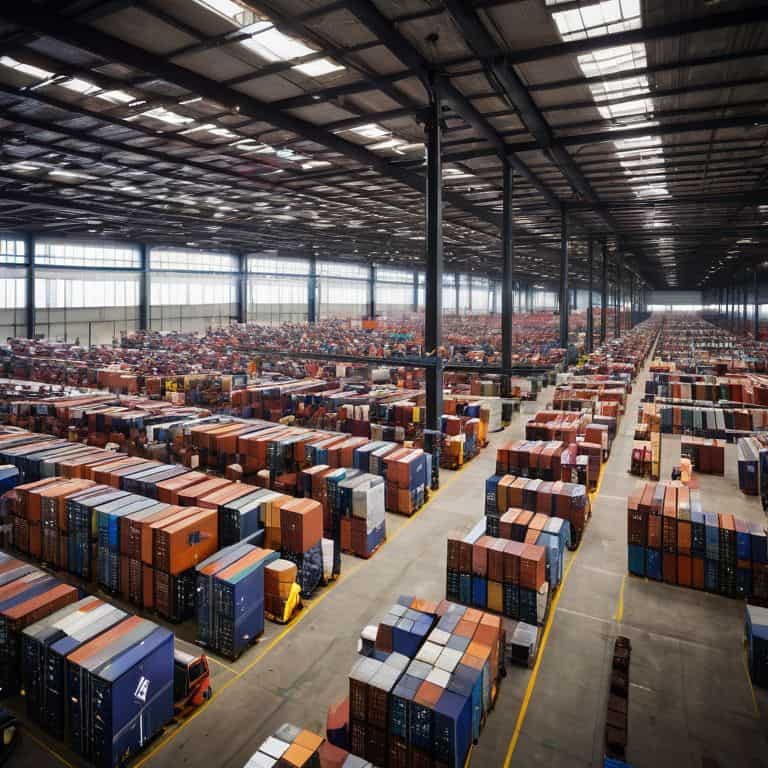
As I delve into the world of supply chains, I’m reminded that supply chain management systems are the backbone of any successful business. These systems are designed to streamline the flow of goods, services, and information from raw materials to end customers. But, what happens when disruptions occur? Mitigating supply chain disruptions becomes a top priority, as companies strive to minimize losses and maintain customer satisfaction.
To truly understand supply chains, one must consider the manufacturing process optimization that occurs at each stage. From sourcing raw materials to delivering finished products, every step is crucial in ensuring the smooth operation of the supply chain. Global logistics and transportation play a vital role in this process, as companies rely on efficient transportation networks to move goods across the globe.
As I continue to unpack the complexities of supply chains, I’m drawn to the importance of international trade regulations. These regulations can either facilitate or hinder the flow of goods, depending on how they are navigated. By examining the economic forces behind supply chains, I aim to provide a clearer understanding of the supply chain visibility and tracking mechanisms that companies use to stay ahead in the game.
Exposing Global Logistics
As I dug deeper into the world of supply chains, I found that global logistics play a crucial role in the movement of goods. From shipping containers to air freight, the process of getting products from one place to another is a complex web of interactions between various stakeholders.
To truly understand the inner workings of supply chains, it’s essential to follow the money trail and examine the financial relationships between manufacturers, distributors, and retailers. By doing so, we can gain insight into the hidden forces that drive global logistics and uncover the economic motivations behind the scenes.
Manufacturing Process Secrets
As we delve deeper into the world of supply chains, it’s essential to understand the manufacturing process and its intricacies. This is where the raw materials are transformed into finished products, and it’s a critical component of the supply chain ecosystem. The manufacturing process involves a series of complex steps, from production planning to quality control, and each step has a significant impact on the final product.
The key to a successful manufacturing process lies in its ability to balance efficiency with cost-effectiveness. By optimizing production workflows and minimizing waste, companies can reduce their production costs and improve their bottom line. This, in turn, can give them a competitive edge in the market and enable them to offer their products at a lower price point, making them more attractive to customers.
How Supply Chains Work
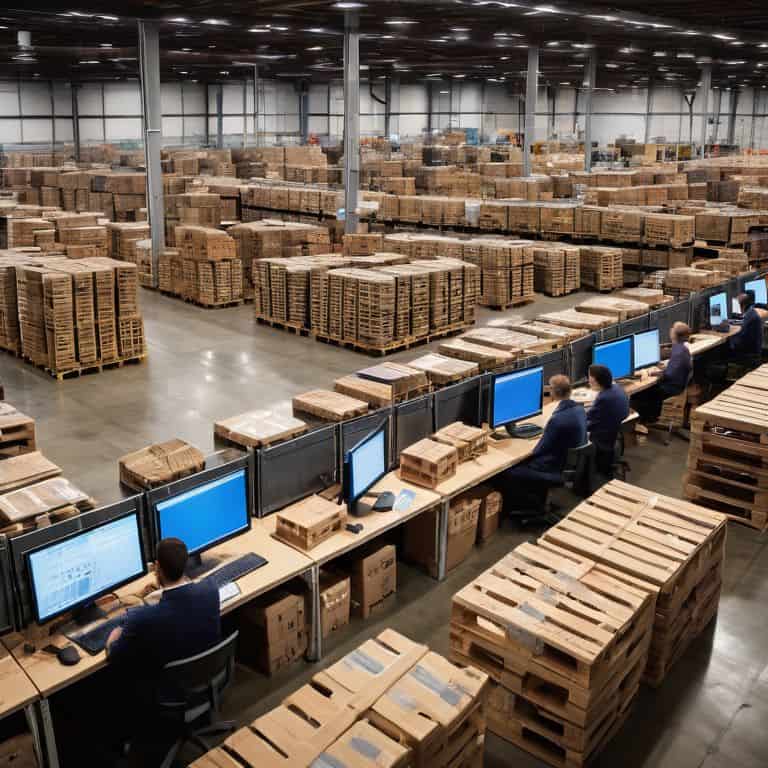
To truly comprehend the intricacies of supply chains, it’s essential to delve into the supply chain management systems that oversee the flow of goods, services, and information. These systems are the backbone of global trade, enabling companies to manage their logistics, manufacturing, and distribution effectively. By examining the financial threads that weave through these systems, we can gain a deeper understanding of the forces that drive global commerce.
At the heart of supply chain management lies the manufacturing process, where raw materials are transformed into finished products. Manufacturing process optimization is crucial to minimizing costs, maximizing efficiency, and ensuring that goods are delivered to customers on time. However, this process is often shrouded in secrecy, making it difficult for outsiders to grasp the complexities involved. By shedding light on these secrets, we can better appreciate the challenges and opportunities that arise in the world of global logistics and transportation.
As companies navigate the complexities of international trade, they must also contend with mitigating supply chain disruptions, which can arise from factors such as natural disasters, economic downturns, or changes in international trade regulations. To stay ahead of the curve, businesses must prioritize supply chain visibility and tracking, enabling them to respond quickly to disruptions and maintain a competitive edge in the market. By exploring these themes in greater depth, we can develop a more nuanced understanding of the supply chain ecosystem and the economic forces that shape it.
Mastering Supply Chain Visibility
To truly understand how supply chains work, one must delve into the world of supply chain visibility. This means having a clear and transparent view of every stage of the supply chain, from raw material sourcing to end-customer delivery. By achieving this level of visibility, companies can identify potential bottlenecks and areas for improvement, ultimately leading to more efficient and cost-effective operations.
Effective supply chain visibility requires a combination of real-time data tracking and advanced analytics. This allows companies to monitor their supply chains in real-time, making it easier to respond to disruptions and changes in demand. By leveraging these tools, businesses can gain a competitive edge in the market and build stronger relationships with their customers and suppliers.
Mitigating Disruptions
To maintain a stable supply chain, companies must be proactive in mitigating risks. This involves identifying potential disruption points, such as natural disasters or supplier insolvency, and developing contingency plans to address them. By doing so, businesses can reduce the likelihood of disruptions and minimize their impact on the supply chain.
Effective mitigation strategies often rely on diversification of suppliers and logistics routes. This can help companies avoid reliance on a single supplier or transportation mode, reducing the risk of disruption and enabling them to respond more quickly to changes in the market or unexpected events.
Following the Money: 5 Key Insights into How Supply Chains Work
- Track the flow of funds: understanding how payments are made and received across the supply chain can reveal hidden inefficiencies and opportunities for cost savings
- Analyze the role of intermediaries: brokers, distributors, and other middlemen can significantly impact supply chain costs and efficiency, and may be areas where companies can streamline operations
- Identify key supply chain assets: from warehouses to transportation fleets, understanding the ownership and control of physical assets can help companies optimize their supply chain operations
- Map the supply chain ecosystem: creating a detailed map of all stakeholders, from suppliers to customers, can help companies identify potential vulnerabilities and areas for improvement
- Monitor economic indicators: changes in global trade policies, currency fluctuations, and other economic factors can have a significant impact on supply chain operations, and companies should stay informed to make data-driven decisions
Key Takeaways: Navigating the Complex World of Supply Chains
By following the money trail, it becomes clear that supply chains are driven by a complex interplay of financial interests, from raw material extraction to end-consumer sales, and understanding these economic forces is crucial for navigating global logistics
Effective supply chain management requires a deep understanding of the manufacturing process, including the secrets of production, sourcing, and distribution, as well as the ability to mitigate disruptions and master supply chain visibility
Ultimately, grasping the intricacies of supply chains empowers individuals and organizations to make informed decisions, optimize their operations, and stay competitive in an increasingly interconnected and rapidly changing global marketplace
Uncovering the Truth
The real power behind supply chains isn’t in the movement of goods, but in the flow of money – and if you can’t see the financial threads that weave it all together, you’re just scratching the surface of how supply chains really work.
Cora Maxwell
Unveiling the Complexities of Supply Chains
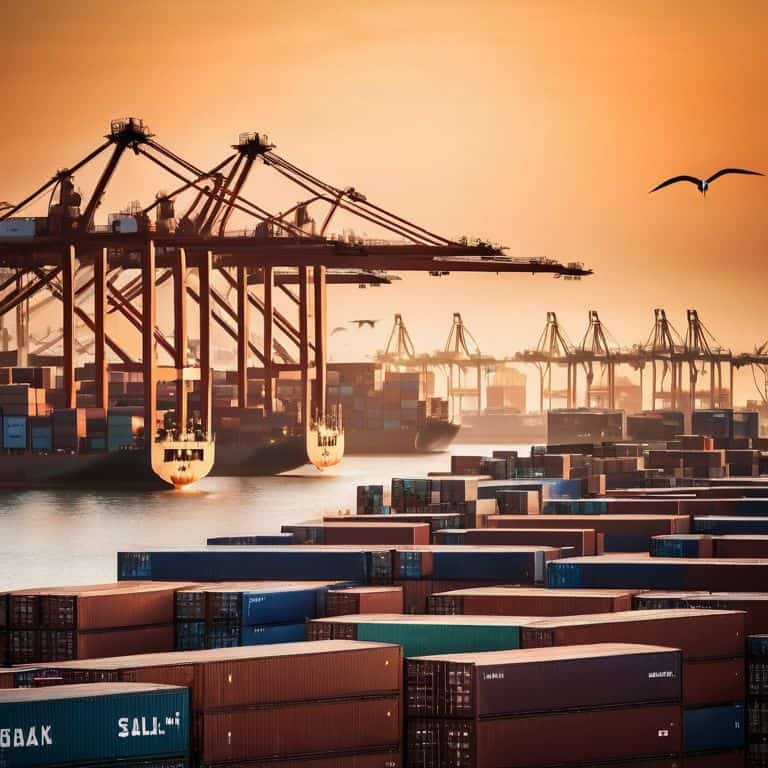
As we’ve delved into the world of supply chains, it’s become clear that following the money trail is crucial to understanding how they work. From exposing global logistics to manufacturing process secrets, we’ve seen that supply chains are intricate systems driven by economic forces. By mastering supply chain visibility and mitigating disruptions, companies can gain a competitive edge in the market. This knowledge is essential for anyone looking to navigate the complexities of global trade and commerce.
As we conclude our journey into the world of supply chains, remember that empowerment through knowledge is the key to unlocking a deeper understanding of these complex systems. By embracing a thorough and nuanced approach to learning, we can uncover the hidden forces that drive global supply chains and make informed decisions that impact our lives and the world around us. So, let’s continue to follow the money trail and uncover the truth behind the systems that shape our world.
Frequently Asked Questions
What role do economic factors such as tariffs and trade agreements play in shaping global supply chains?
To truly grasp global supply chains, you must consider the economic forces at play, particularly tariffs and trade agreements. These factors significantly impact the flow of goods, services, and finances, often dictating the viability of entire supply chains. By examining these economic influencers, we can uncover the underlying motivations driving supply chain decisions.
How do companies ensure supply chain resilience in the face of natural disasters or other unforeseen disruptions?
To ensure supply chain resilience, companies diversify their supplier base, invest in risk management strategies, and maintain real-time visibility into their logistics. By spreading their risk and staying informed, they can quickly adapt to disruptions like natural disasters, minimizing financial losses and maintaining business continuity.
What technologies are being used to improve supply chain visibility and tracking, and how are they impacting the industry?
I’ve dug into the latest advancements, and it’s clear that technologies like RFID, GPS, and blockchain are revolutionizing supply chain visibility and tracking. These innovations enable real-time monitoring, reducing errors and increasing efficiency. By following the money trail, it’s evident that investments in these technologies are poised to disrupt the industry, with major players already seeing significant returns.