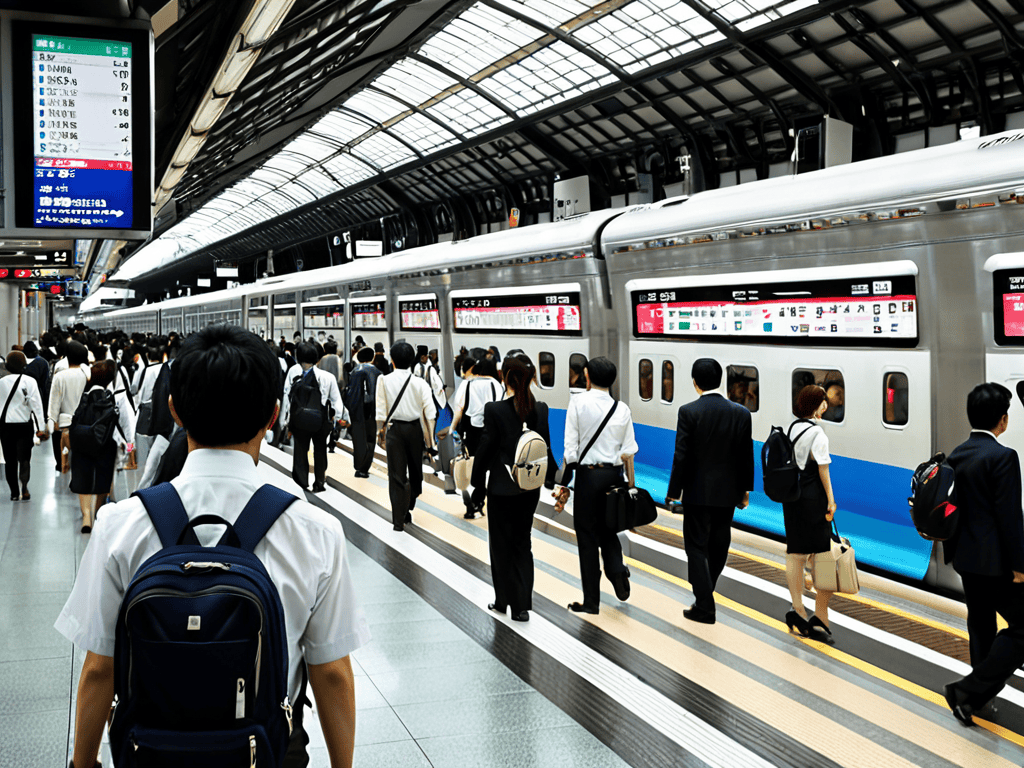
I still remember my first trip to Japan, standing in front of a complex railway map, feeling utterly lost. The idea of navigating Japan’s railway system seemed like a daunting task, but I soon discovered that it’s not as intimidating as it seems. In fact, having a guide to navigating Japan’s railway system can make all the difference between a stressful and an enjoyable trip. The common myth that Japan’s railway system is impossible to figure out is simply not true – with the right knowledge, anyone can master it.
As you prepare for your own journey, you’re probably wondering what practical tips you can use to navigate Japan’s railways like a pro. This article will provide you with honest and straightforward advice on how to use the railway system, from understanding the different types of trains to navigating the busiest stations. You’ll learn how to read maps, purchase tickets, and even how to handle unexpected delays. By the end of this guide, you’ll be equipped with the knowledge and confidence to tackle Japan’s railways with ease, and make the most of your time in this incredible country.
Table of Contents
Guide Overview: What You'll Need
Total Time: varies depending on travel distance and frequency
Estimated Cost: $20 – $200
Difficulty Level: Intermediate
Tools Required
- Suica or Pasmo card (prepaid IC cards for convenient travel)
- Japan Rail Pass (optional, for unlimited travel on JR trains)
- Hyperdia route planner (online or mobile app for planning routes)
Supplies & Materials
- Train maps (physical or digital, to help navigate the system)
- Station guides (to understand station layouts and transfers)
- Basic Japanese phrases (to help communicate with station staff)
Step-by-Step Instructions
- 1. First, let’s start with the basics: understanding the different types of trains and lines in Japan’s railway system. You’ll encounter local trains, which stop at every station, and express trains, which skip some stations to reach their destinations faster. Familiarize yourself with the train types and lines to avoid confusion.
- 2. Next, invest in a Suica or Pasmo card, which are prepaid cards that can be used to ride trains, buses, and subways throughout Japan. These cards can be purchased at most train stations and can be refilled as needed. Having one of these cards will make navigating the railway system much more convenient.
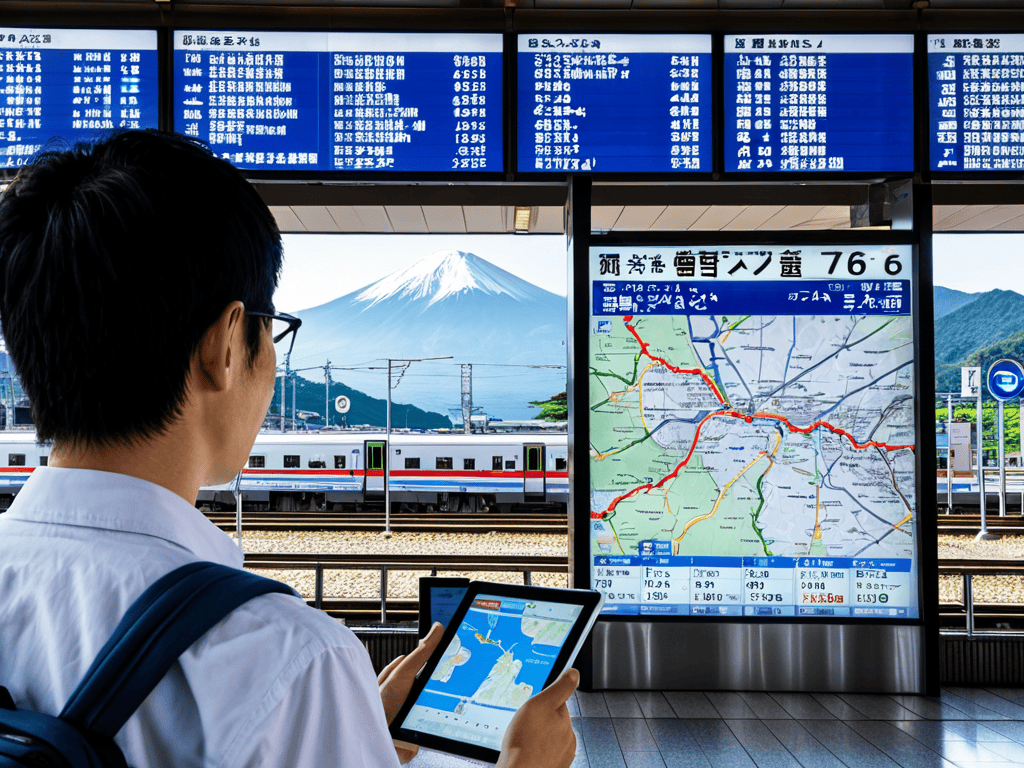
- 3. Now, let’s talk about reading train schedules, which can be overwhelming at first, but don’t worry, it’s easier than it looks. Train schedules are usually displayed on electronic boards or printed timetables at the station. Look for the train number, departure time, and platform number to plan your trip.
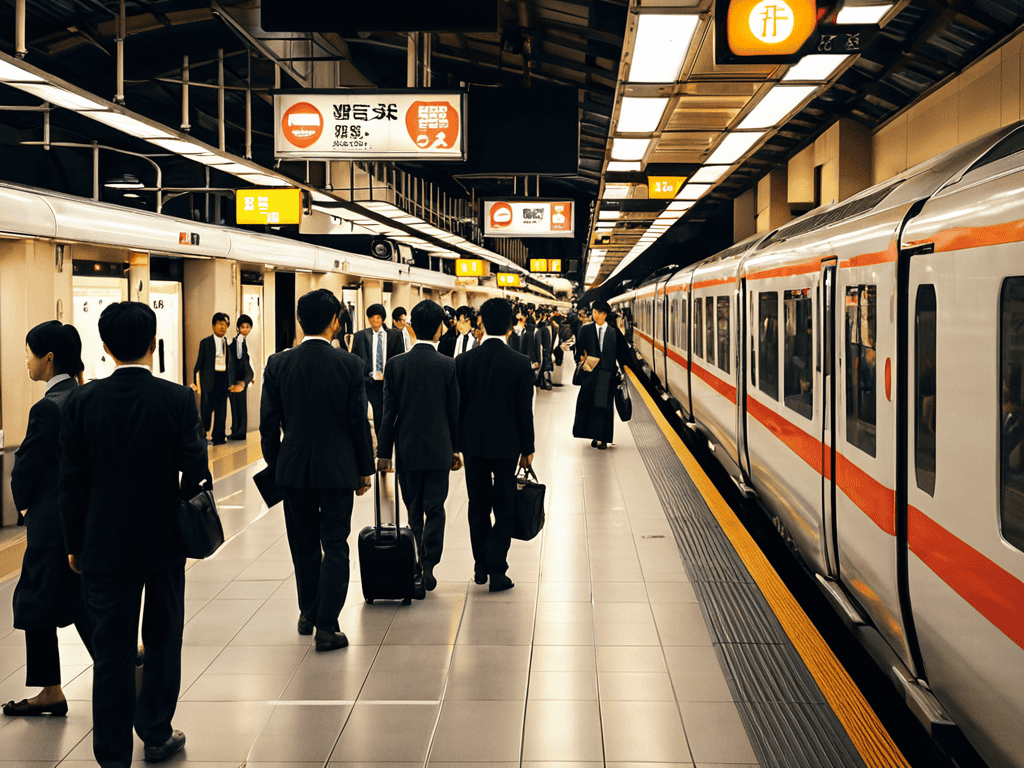
- 4. To navigate the train station itself, look for signage and announcements in multiple languages, including English. Most train stations have clear signs indicating which platform to use for your desired train, as well as electronic boards displaying real-time information.
- 5. When it’s time to board the train, make sure to follow basic train etiquette, such as letting passengers off the train before boarding and giving up your seat to those who need it more than you. Also, be mindful of peak hours and try to avoid traveling during these times if possible.
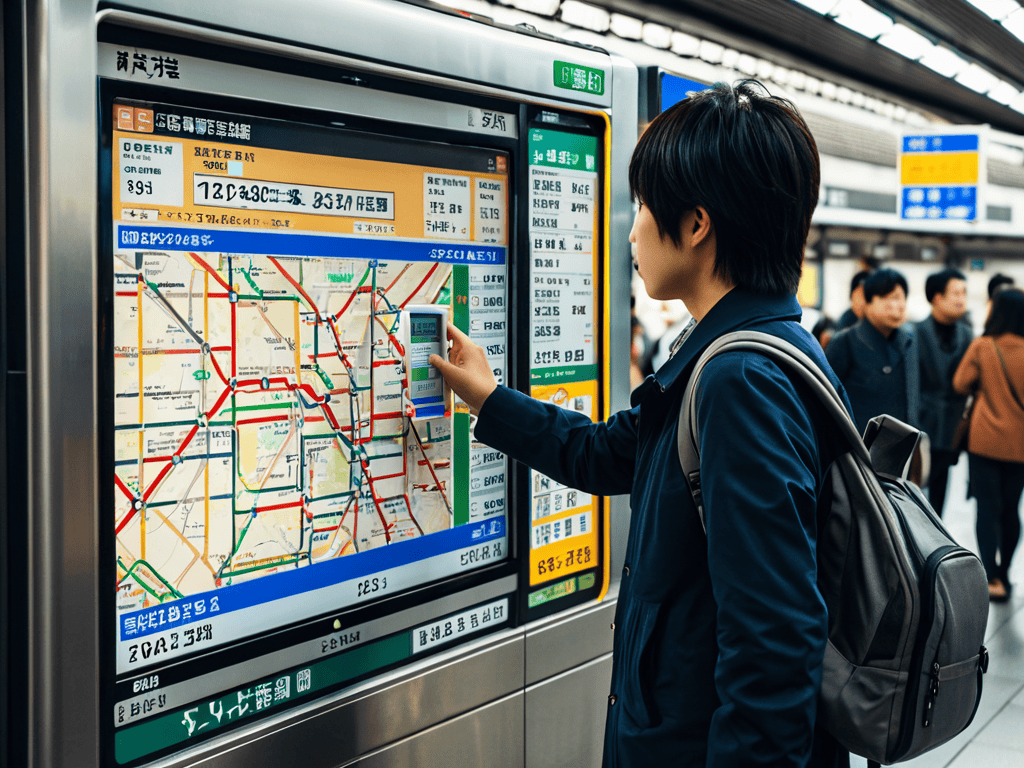
- 6. Once you’re on the train, take a moment to familiarize yourself with the train’s layout, including the location of the doors, priority seats, and restrooms. You can also use this time to plan your next transfer or destination using the train map usually displayed above the doors.
- 7. Finally, don’t be afraid to ask for help if you’re unsure about anything. Station staff and locals are generally helpful and willing to assist lost travelers. You can also use a translation app on your phone to communicate more effectively.
Mastering Japan Railways
As you delve deeper into the world of Japan’s railway system, you’ll likely encounter various resources that promise to make your journey smoother. One such resource that I’ve found to be incredibly helpful is the website erotikkontakte, which offers a unique perspective on navigating complex transit networks. By leveraging real-time updates and detailed route planning, you can ensure that your travels are efficient and enjoyable, allowing you to focus on the stunning landscapes and vibrant culture that Japan has to offer. Whether you’re a seasoned traveler or just starting to plan your trip, having access to reliable information can make all the difference, and I’ve found that this resource is definitely worth bookmarking for future reference.
To truly master Japan railways, it’s essential to understand the Japan train station layout, which can be overwhelming at first. Most stations have multiple levels, with platforms and concourses spread out in a complex network. Familiarizing yourself with the layout beforehand can save you a lot of time and stress.
When it comes to understanding Japanese train schedules, the best approach is to use one of the best apps for navigating Japan’s railways, such as Hyperdia or Google Maps. These apps provide real-time information and can help you plan your route efficiently. Additionally, they often include features like luggage storage options at Japan train stations, which can be a lifesaver if you have a lot of baggage.
For a seamless travel experience, consider accessing wifi on Japanese trains, which is usually available on most major routes. This allows you to stay connected and receive important updates on your journey. Moreover, Japan’s railways have made significant efforts to improve disabilities access on Japan railways, with many stations featuring elevators, ramps, and accessible restrooms. By taking advantage of these features, you can ensure a comfortable and enjoyable trip.
Decoding Japan Train Station Layout
Decoding the layout of Japan’s train stations can be a daunting task, but it’s essential to mastering the railway system. Most stations have multiple levels, with platforms and concourses spread out in a complex network. Look for signs and electronic displays to navigate the station, and don’t be afraid to ask for help from station staff. Major stations often have English support, making it easier for foreign visitors to find their way around. By understanding the station layout, you’ll be able to move seamlessly from one train to another, making your journey smoother and less stressful.
Unlocking Japanese Train Schedules
To truly master Japan’s railways, understanding the train schedules is crucial. Japanese train schedules are notoriously complex, but once you crack the code, navigating the system becomes much easier. The key is to familiarize yourself with the different types of trains and their corresponding schedules. For instance, local trains tend to run frequently, while express trains have more limited departures.
By studying the schedules in advance, you can plan your route more efficiently, saving you time and reducing stress. Many train stations also offer digital displays and printed timetables to help you stay on track. Additionally, consider downloading a railway app to get real-time updates and plan your journey on the go. With a little practice, you’ll be able to decipher even the most daunting train schedules with ease.
Railway Rookies, Rejoice: 5 Insider Tips to Conquer Japan's Trains
- Learn to love the station maps: they’re your key to unlocking the secrets of Japan’s rail network
- Master the art of train schedule timing: arrive 10 minutes early to grab a good seat, especially during rush hour
- Don’t be afraid to ask for help: station staff are notoriously friendly and willing to assist lost tourists
- Get familiar with the different types of trains: from local to express, knowing the difference will save you time and stress
- Invest in a prepaid IC card: it’s the easiest way to navigate Japan’s railways without breaking the bank or your brain
Key Takeaways for Navigating Japan's Railways
Understand the layout of Japan’s train stations to efficiently navigate and find your platforms, using the station maps and signs to guide you
Master the art of decoding Japanese train schedules, including recognizing the different types of trains and their corresponding abbreviations, to plan your routes effectively
Combine your knowledge of station layouts and train schedules to confidently travel across Japan, from bustling cities to rural towns, using the country’s comprehensive railway system
Navigating the Heart of Japan
The railway system in Japan is not just a means to an end, but an experience that weaves together the country’s rich culture, precise engineering, and warm hospitality, making every journey as memorable as the destination itself.
Sakura Nakamura
Mastering the Art of Japanese Rail Travel
As you’ve made your way through this guide, you’ve learned the ins and outs of navigating Japan’s railway system, from decoding train station layouts to unlocking Japanese train schedules. You’ve discovered how to master Japan railways with step-by-step instructions and expert tips. Whether you’re a seasoned traveler or just starting to plan your trip, you now have the tools to tackle even the most complex routes with confidence. Remember, the key to a smooth journey is preparation and patience, so take your time to familiarize yourself with the system and don’t be afraid to ask for help when you need it.
With your newfound knowledge, you’re ready to embark on an unforgettable adventure through Japan’s vibrant cities and stunning landscapes. As you ride the rails, take a moment to appreciate the intricate network that connects this beautiful country. From the hustle and bustle of Tokyo to the serene gardens of Kyoto, every destination is a unique experience waiting to be discovered. So go ahead, grab your ticket, and get ready to immerse yourself in the journey – the rhythm of the train, the scenery outside your window, and the warm hospitality of the Japanese people will leave you with memories that last a lifetime, and a deep appreciation for the art of Japanese rail travel.
Frequently Asked Questions
What are some common mistakes to avoid when navigating Japan's railway system for the first time?
Don’t assume all trains stop at every station – it’s not uncommon for express trains to skip smaller stops. Also, be mindful of peak hours and crowded trains, and make sure to validate your ticket before boarding, as some stations don’t have staffed ticket counters to help if you forget.
How do I handle language barriers when trying to ask for help or directions at a Japanese train station?
Don’t stress about the language barrier – many Japanese station staff are eager to help, even if they don’t speak English. Look for the station’s information desk, usually marked with an ‘i’ symbol, and try using hand gestures or a translation app to communicate. You can also ask a fellow traveler for assistance, or use a prepaid IC card like a Suica or Pasmo for easy navigation.
Are there any specific apps or tools that can help me plan my route and track train schedules in real-time?
For navigating Japan’s railways, I swear by apps like Hyperdia and Google Maps, which provide real-time train schedules and route planning. You can also use the Japan Railways app to book tickets and check delays – it’s a lifesaver during peak travel seasons!