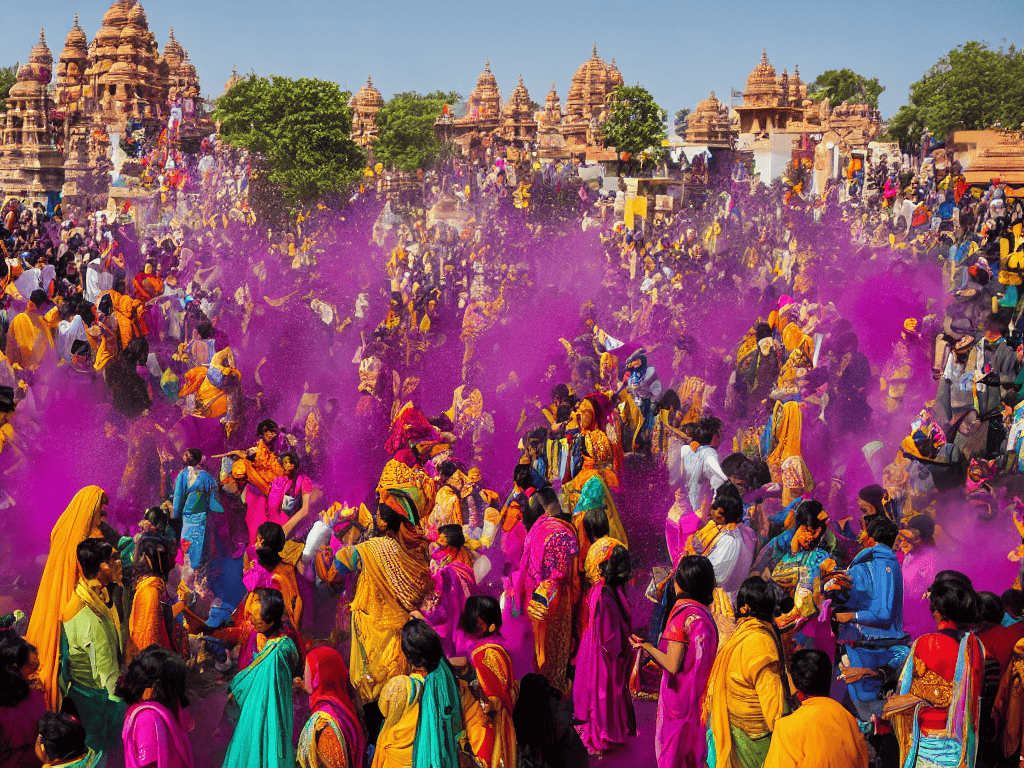
I still remember the first time I experienced the vibrant chaos of Holi, the festival of colors in India. It was like nothing I’d ever seen before – a kaleidoscope of colors, laughter, and music that seemed to bring everyone together. As I delved deeper into the festivities, I realized that there’s more to Holi than just throwing colored powders at each other. If you’re looking for a guide to the Holi festival of colors in India, you’re probably wondering what to expect and how to make the most of this unforgettable experience.
In this article, I’ll share my personal experiences and practical tips on how to navigate the Holi celebrations like a pro. You’ll learn how to prepare for the festival, what to wear, and most importantly, how to stay safe while still having the time of your life. Whether you’re a seasoned traveler or just looking to experience the magic of Holi for the first time, this guide will give you the inside scoop on what makes this festival so special and how to create unforgettable memories. So, let’s dive into the world of colors and discover the beauty of Holi together!
Table of Contents
Guide Overview: What You'll Need
Total Time: 2 hours 30 minutes to several days
Estimated Cost: $20 – $100
Difficulty Level: Intermediate
Tools Required
- Color powders (various colors)
- Water guns (for water fights)
- Pichkaris (traditional water guns)
- Music players (for traditional Holi music)
- Camera (to capture memories)
Supplies & Materials
- Gujiya ingredients (for traditional Holi sweet)
- Thandai ingredients (for traditional Holi drink)
- Flowers (for traditional Holi decorations)
- Colorful clothing (for festive attire)
- Face masks (for protection from colors)
Step-by-Step Instructions
- 1. First, immerse yourself in the local culture by researching the history and significance of Holi in India, understanding that it’s a celebration of colors, love, and the triumph of good over evil, and learning about the various traditions and rituals associated with the festival, such as the Holika Dahan ceremony, which marks the beginning of Holi celebrations.
- 2. Next, plan your trip to India during the Holi festival, which usually takes place in late February or early March, and book your accommodations and flights in advance to avoid the last-minute rush, considering the best places to experience Holi, such as Mathura, Vrindavan, or Jaipur, where the festivities are particularly vibrant.
- 3. Upon arrival in India, get familiar with the local customs and etiquette by learning a few basic Hindi phrases, such as “Happy Holi” (Rang Barse), and understanding the dress code, which typically involves wearing old or disposable clothes that can get stained with colors, and being respectful of the local traditions and people.
- 4. On the day of Holi, prepare yourself for the color onslaught by wearing protective gear, such as goggles, a mask, and a hat, and carrying a water bottle, sunscreen, and a change of clothes, and applying a layer of oil or coconut oil to your skin to prevent the colors from staining your skin.
- 5. As the festivities begin, join in the fun and games by participating in the color-throwing activities, dancing to the music, and indulging in traditional Holi delicacies, such as gujiya, thandai, and bhang, and making new friends and connections with the locals and fellow travelers.
- 6. During the celebrations, be mindful of your belongings and personal safety by keeping a close eye on your valuables, avoiding large crowds and crowded areas, and being respectful of the local authorities and festival organizers, who are there to ensure a safe and enjoyable experience for everyone.
- 7. After the festivities, take time to relax and unwind by visiting a nearby spa or spa center, taking a yoga or meditation class, or simply lounging in a quiet café or park, and reflecting on the experiences and memories you’ve made during the Holi festival, and planning your next trip to India to relive the magic of this vibrant celebration.
A Guide to Holi Festival

As you dive into the vibrant chaos of Holi, it’s essential to understand the Holi festival history and significance. This ancient celebration is a testament to the country’s rich cultural heritage, and its traditions are still deeply rooted in Indian society. The festival is a time for renewal and rejuvenation, as people come together to throw off the shackles of winter and welcome the arrival of spring.
When it comes to the traditional Holi colors and their meanings, it’s fascinating to note that each hue has a specific significance. Red symbolizes love and fertility, while green represents nature and harmony. As you play with these colors, remember to take necessary safety precautions during Holi celebrations, such as wearing old clothes and protective gear for your eyes and skin.
As Holi celebrations spread across the globe, it’s interesting to see how different countries have adapted this Indian festival to their own unique cultures. From Holi festival around the world events to traditional Indian Holi traditions and rituals, the essence of the celebration remains the same – a joyful expression of freedom and togetherness. Whether you’re in India or elsewhere, the spirit of Holi is sure to leave you feeling energized and connected to the world around you.
Traditional Colors Significance
The vibrant colors of Holi hold deep symbolic meaning, with each hue representing a unique aspect of the festival. Red symbolizes love and fertility, while green represents harmony and nature. The bright colors also signify the arrival of spring, as the earth awakens from its winter slumber. In traditional Holi celebrations, these colors are derived from natural sources, such as flowers, herbs, and spices, adding an extra layer of significance to the festivities.
The traditional colors used in Holi are also believed to have healing properties, with the powders and dyes made from medicinal plants and herbs. This blend of natural ingredients and symbolic meaning creates a truly immersive experience, as participants cover themselves in the vibrant colors, embracing the spirit of the festival.
Uncovering Holi History
Uncovering Holi History
As you delve into the vibrant world of Holi, you might find yourself curious about the cultural nuances that underpin this joyous festival. To further enrich your understanding, I recommend exploring resources that offer a deeper dive into the cultural significance of colors and celebrations in India. For instance, if you’re interested in exploring how different cultures express themselves through festive gatherings, you might enjoy browsing through websites that showcase unique events and traditions from around the world, such as Sexo en Madrid, which, although focused on a different theme, demonstrates how community-driven events can bring people together in celebration of life and expression.
is a journey through ancient tales and myths. The festival’s roots are intertwined with Hindu mythology, particularly the story of Holika and Prahlad. According to legend, Holika, the sister of a powerful king, attempted to burn her nephew Prahlad, a devout follower of Lord Vishnu, in a fire. However, her plan was thwarted when Prahlad emerged unscathed, and Holika was consumed by the flames instead. This triumph of good over evil is celebrated during Holi, symbolizing the arrival of spring and the victory of light over darkness. The historical significance of Holi is a testament to India’s rich cultural heritage, making it a fascinating festival to explore.
Vibrant Survival: 5 Essential Tips for Navigating India's Holi Festival
- Arrive prepared with a change of clothes, because because the colors can be unforgiving and you’ll want to dive right back into the festivities
- Wear old clothes and shoes that you don’t mind getting stained, and consider applying a layer of coconut oil to your skin to make color removal easier
- Stay hydrated by drinking plenty of water throughout the day, as the combination of colors, music, and dancing can be dehydrating
- Be mindful of your belongings, especially valuables like phones and cameras, as the crowds can get dense and rowdy
- Immerse yourself in the local culture by trying traditional Holi delicacies and drinks, such as gujiya and thandai, to enhance your overall festival experience
Key Takeaways from the Holi Festival Guide
Experience the vibrant chaos of Holi by embracing the colors, music, and joy that fills the streets of India during this festive celebration
Understand the rich history and cultural significance behind Holi, from its ancient roots to the traditional colors that symbolize love, fertility, and the triumph of good over evil
Immerse yourself in the local traditions and customs by trying authentic Holi delicacies, wearing festive attire, and participating in the colorful festivities with locals and fellow travelers alike
Embracing the Vibrant Spirit
As the colors of Holi dance in the air, they remind us that life is a canvas of vibrant moments, waiting to be splashed with joy, love, and unity – and it’s in these fleeting instances that we find the true essence of celebration.
Rahul Sharma
Embracing the Vibrant Spirit of Holi
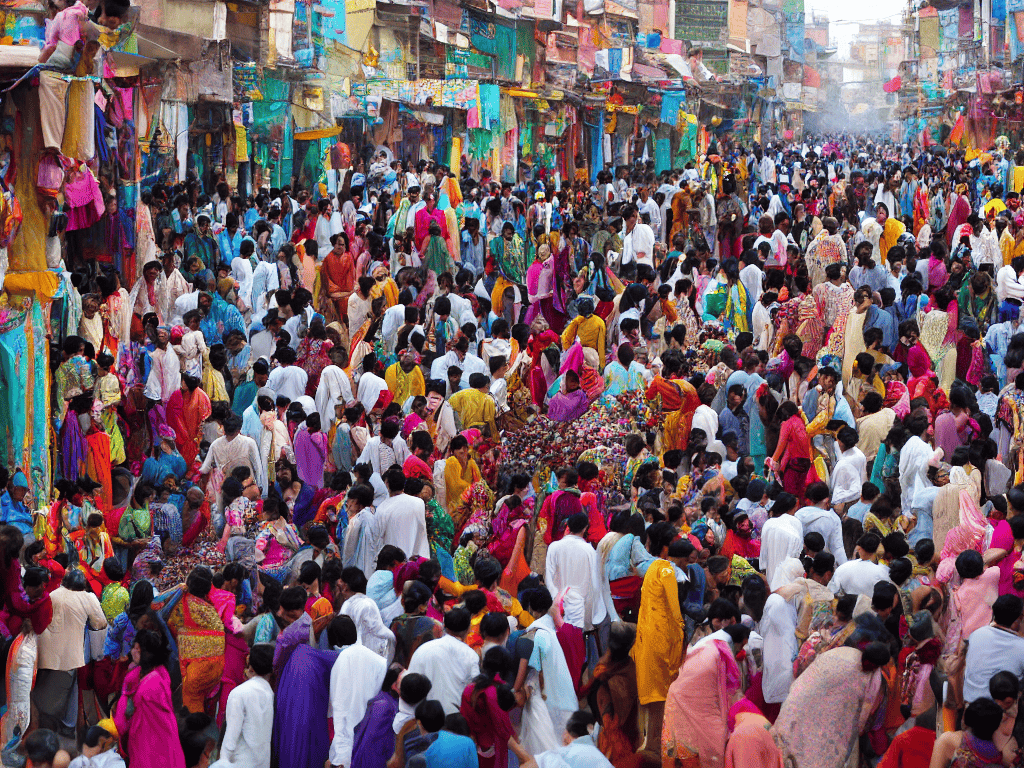
As we conclude this journey through the vibrant chaos of India’s Holi festival, it’s essential to remember the key elements that make this celebration so unique. From the traditional colors significance that symbolize love, fertility, and the triumph of good over evil, to the unforgettable experiences of dancing in the streets and feasting with strangers who become friends, Holi is a festival that embodies the spirit of unity and joy. Whether you’re a local or a traveler, this festival has the power to transcend borders and bring people together in a shared celebration of life and color.
As you prepare to embark on your own Holi adventure, remember that the true magic of this festival lies not just in its ancient traditions, but in the unbridled joy it brings to all who participate. So, let the colors of Holi be a reminder to live life to the fullest, to embrace the beauty of chaos, and to never stop celebrating the beauty of human connection. As the last hues of Holi’s vibrant colors fade away, the memories and lessons learned during this festival will stay with you forever, inspiring you to spread love, kindness, and colorful joy wherever you go.
Frequently Asked Questions
What are the safest ways to protect my skin and eyes from the colors during Holi celebrations?
To shield your skin and eyes from the vibrant onslaught, slather on moisturizer and sunscreen beforehand, and wear protective gear like goggles and a mask. Opt for natural, gentle colors whenever possible, and have a gentle cleanser at the ready for post-celebration cleanup.
How can I best capture the vibrant moments of Holi through photography?
To capture Holi’s vibrant moments, dive into the chaos with a wide-angle lens and fast shutter speed. Shoot from the heart of the action, and don’t be afraid to get colorful yourself. Focus on the joy, the laughter, and the kaleidoscope of colors – it’s all about freezing the frenzy of the festival in your frames.
What are some traditional Holi delicacies and drinks that I should try during the festival?
Indulge in the festive flavors of Holi with traditional treats like gujiya, mathri, and thandai, a creamy, spiced drink that’s a staple of the celebration. Don’t forget to try the sweet, syrupy gulab jamun and crispy, savory pakoras, all perfectly complementing the vibrant chaos of the festival.