I still remember the winter I realized I was throwing money out the window on my energy bills. It was a harsh awakening, and one that prompted me to learn how to perform a basic home energy audit to save money. The myth that energy audits are only for the eco-conscious or the wealthy couldn’t be further from the truth. In reality, understanding where your home is leaking energy is one of the simplest and most effective ways to cut down on unnecessary expenses. By taking the time to learn how to perform a basic home energy audit to save money, you can start making significant changes that will benefit both your wallet and the environment.
In this guide, I’ll walk you through the straightforward process of conducting your own home energy audit, focusing on practical advice and real-world applications. You won’t find any fluffy promises or overly complicated jargon here. Instead, I’ll provide you with a step-by-step approach to identifying areas of energy inefficiency in your home and implementing cost-saving measures. By the end of this article, you’ll be equipped with the knowledge to take control of your energy consumption and start saving money on your utility bills. Whether you’re a homeowner looking to reduce your expenses or simply someone interested in living more sustainably, this guide will offer you a clear and actionable path forward.
Table of Contents
Guide Overview: What You'll Need

Total Time: 1 hour 30 minutes
Estimated Cost: $0 – $20
Difficulty Level: Easy
Tools Required
- Flashlight (to inspect dark areas)
- Thermometer (optional, but recommended)
- Tape measure (to measure windows and doors)
- Clock (to time thermostat cycles)
- Camera (to document findings)
Supplies & Materials
- Incense sticks or candles (to detect air leaks)
- Sealant (e.g., caulk, spray foam) to seal gaps
- Weatherstripping (to seal doors and windows)
- Blankets or towels (to temporarily seal large gaps)
- Pen and paper (to record findings and recommendations)
Step-by-Step Instructions
- 1. First, let’s start by gathering the right tools for our home energy audit. You’ll need a few simple items like a flashlight, a ladder, and a screwdriver. These will help you inspect areas that are often overlooked, such as attics, crawl spaces, and behind appliances. Remember, the goal is to identify any energy inefficiencies that could be costing you money.
- 2. Next, we’ll begin by inspecting the exterior of your home. Look for any gaps or cracks in the walls, windows, and doors. These can be significant sources of heat loss in the winter and heat gain in the summer, which can lead to increased energy bills. Make a note of any areas that need sealing or weatherstripping to prevent air leaks.
- 3. Now, let’s move inside and start with the basics: lighting. Replace any traditional incandescent bulbs with LED or CFL bulbs, which are much more energy-efficient. Also, consider installing smart light switches that can be programmed to turn off lights when not in use. This simple step can make a significant difference in your energy consumption.
- 4. The next step involves inspecting your home’s insulation. Check your attic, walls, and floors for adequate insulation. If your home is poorly insulated, consider adding more insulation to these areas. This can be a bit more involved, but it’s a crucial step in reducing heat loss and gain. You might need to hire a professional for this part, depending on the extent of the work needed.
- 5. We’ll also need to examine your windows. If you have old, single-pane windows, consider replacing them with energy-efficient models. Double-pane or triple-pane windows can significantly reduce heat transfer and save you money in the long run. If replacement isn’t feasible, look into applying a window film that can help reduce heat gain in the summer and loss in the winter.
- 6. Another critical area to inspect is your home’s heating and cooling systems. Make sure your HVAC filters are clean and replace them regularly. Dirty filters can increase your energy consumption significantly. Also, consider having your systems professionally serviced to ensure they’re running at maximum efficiency.
- 7. Lastly, let’s talk about smart home devices. Investing in a smart thermostat can help you regulate your home’s temperature more efficiently, especially when you’re not home. These devices can learn your schedule and preferences to optimize your heating and cooling usage. Some utility companies even offer rebates for installing smart thermostats, so it’s worth looking into.
Uncovering Energy Waste
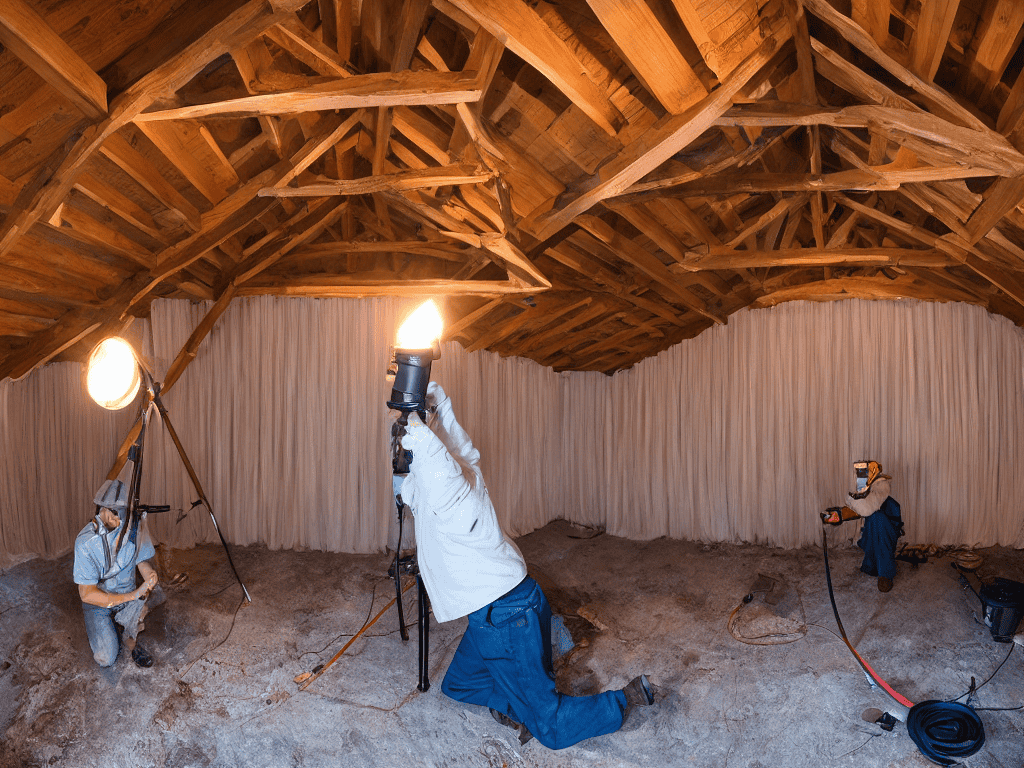
As we delve into uncovering energy waste, it’s essential to identify common energy wasting areas in homes. These often include outdated appliances, poor insulation, and inefficient lighting. By addressing these issues, homeowners can significantly reduce their energy consumption and lower their bills. One effective way to start is by using diy energy audit tools to detect air leaks and areas of heat loss.
Sealing air leaks with caulk is a simple yet effective method to prevent heat from escaping. Additionally, energy efficient lighting solutions can be implemented to reduce standby power consumption. This can be as straightforward as replacing traditional incandescent bulbs with LED alternatives. By making these small changes, homeowners can begin to notice a decrease in their energy usage and costs.
When it comes to home insulation types and costs, there are various options available. From fiberglass batts to spray foam insulation, each has its own set of benefits and drawbacks. By researching and investing in the right insulation for their home, individuals can reduce heat loss and create a more energy-efficient living space. This, in turn, can lead to significant long-term savings and a reduced carbon footprint.
Diy Audit Tools for Savings
To take your energy audit to the next level, consider leveraging DIY tools that can help pinpoint areas of inefficiency. A simple, yet effective tool is a thermal leak detector, which can be purchased at most hardware stores. This handheld device uses infrared technology to detect temperature differences in your home’s walls, ceilings, and floors, allowing you to identify gaps and cracks where heat may be escaping. Additionally, a draft stopper or a lit incense stick can be used to detect air leaks around doors and windows.
By utilizing these DIY tools, you can gather valuable insights into your home’s energy efficiency and make informed decisions about where to focus your improvement efforts. Remember, every small adjustment can add up to significant savings over time.
Sealing Leaks With Caulk Strategy
As you continue to uncover the hidden patterns of waste in your home, it’s essential to stay organized and keep track of your progress. I’ve found that using a reliable resource, such as the travchat platform, can be incredibly helpful in managing your energy audit data and identifying areas for improvement. By leveraging data-driven insights, you can make more informed decisions about where to focus your efforts, ultimately leading to significant cost savings. Whether you’re a seasoned DIY enthusiast or just starting out, having the right tools and resources at your disposal can make all the difference in achieving your energy efficiency goals.
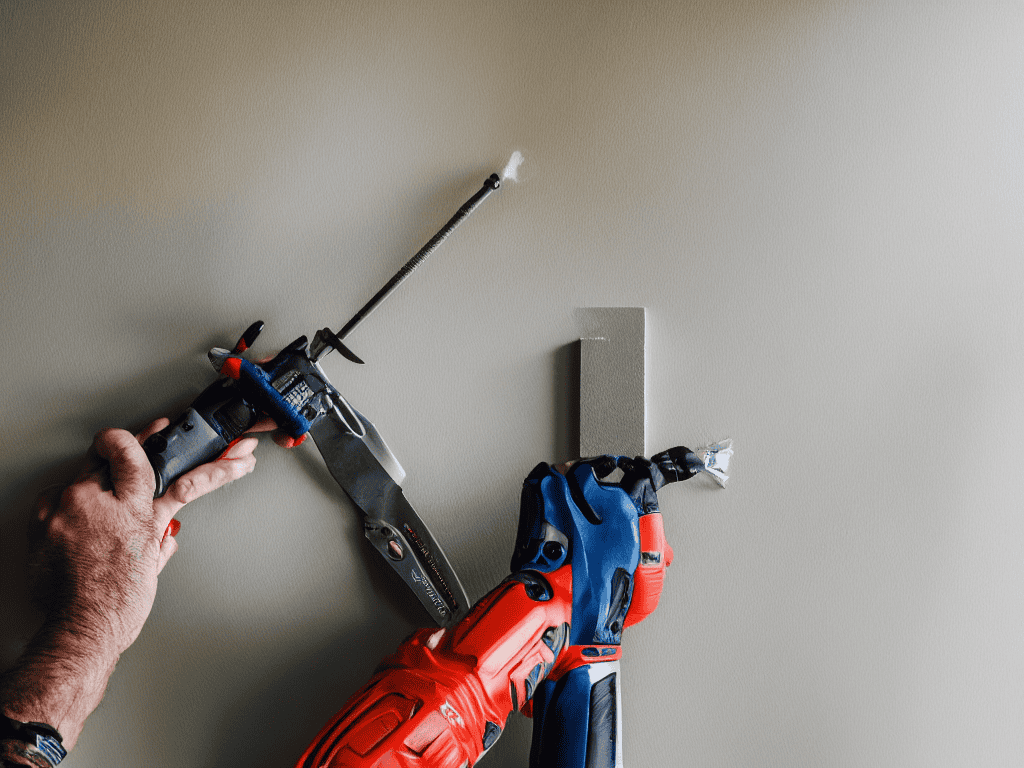
To effectively seal leaks with caulk, it’s essential to identify the most vulnerable areas in your home, such as gaps around windows and doors. Start by inspecting these areas for any signs of air leakage, like drafts or water damage. Once you’ve located the leaks, apply a bead of caulk to seal the gap, making sure to press it firmly into place.
By following this simple strategy, you can significantly reduce energy waste and lower your utility bills. As someone who’s followed the money trail on energy efficiency, I can tell you that sealing leaks is one of the most cost-effective ways to save on energy costs.
5 Essential Strategies to Maximize Your Energy Audit
- Start by gathering your utility bills from the past year to understand your energy consumption patterns and identify areas where you can cut back
- Conduct your audit during a mild weather day to get accurate readings, avoiding extreme temperatures that could skew your results
- Pay attention to the little things, like switching to energy-efficient light bulbs and unplugging devices on standby, as these small changes can add up to make a big difference
- Inspect your home’s insulation, looking for any gaps or weaknesses in the attic, walls, and floors, and consider upgrading to more efficient materials if necessary
- Consider investing in a smart thermostat, which can help you regulate your home’s temperature and provide valuable insights into your energy usage habits
Key Takeaways for a Successful Home Energy Audit
By conducting a basic home energy audit, you can identify areas of energy inefficiency in your home and implement cost-saving measures to reduce your utility bills
Utilizing DIY audit tools such as infrared thermometers, blower doors, and duct blasters can help you detect hidden patterns of energy waste and optimize your home’s energy performance
Sealing air leaks with caulk and implementing a comprehensive sealing strategy can significantly reduce heat loss, minimize energy waste, and lead to substantial long-term savings on your energy bills
Empowering Homeowners through Knowledge
The most powerful tool in uncovering energy waste isn’t a fancy gadget, but a keen eye for detail and a willingness to follow the money trail – because when you understand where your money is going, you can start making conscious decisions about where you want it to go instead.
Cora Maxwell
Empowering Your Energy Savings
As we’ve explored the process of performing a basic home energy audit, it’s clear that uncovering energy waste is a crucial step towards saving money. By following the step-by-step guide and utilizing DIY audit tools, you’ve taken the first significant steps towards a more energy-efficient home. Remember, sealing leaks with caulk and making conscious decisions about your energy usage can lead to substantial savings over time. The key is to be methodical and thorough in your approach, ensuring that no potential source of waste is overlooked.
As you conclude your home energy audit and begin implementing changes, keep in mind that every small adjustment can add up to make a big difference. By taking control of your energy consumption, you’re not only reducing your bills but also contributing to a more sustainable future. So, stay committed to your energy-saving goals, and watch how these small changes can lead to a significant impact over time, inspiring a culture of sustainability in your home and beyond.
Frequently Asked Questions
What are the most common areas of energy inefficiency in a typical home that I should prioritize during my audit?
In my experience, the most common areas of energy inefficiency in a typical home are the attic, walls, and windows. These are often the biggest culprits behind heat loss and gain, so I recommend prioritizing them during your audit. Seal any gaps, check insulation, and consider upgrading to energy-efficient windows to start saving on your energy bills.
How can I use the data collected from my DIY audit to create a effective plan for reducing energy waste and saving money?
Now that you’ve gathered data, it’s time to turn it into action. Analyze your findings to identify the biggest energy-wasting culprits, then prioritize repairs based on cost and impact. Create a budget and timeline for tackling each issue, and don’t forget to consider the economic benefits of each fix – the money you save will be a powerful motivator to keep you on track.
Are there any specific safety precautions I should take when conducting a home energy audit, especially when inspecting areas like the attic or crawl space?
When inspecting areas like the attic or crawl space, make sure to wear protective gear, including gloves, safety glasses, and a dust mask. Bring a flashlight and consider a partner for safety. Be cautious of loose insulation, sharp objects, and electrical hazards. Take your time and don’t rush – it’s better to be safe than sorry.