I still remember the frustration I felt as an ER doctor, seeing patients suffer from debilitating conditions caused by chronic inflammation. The truth is, how chronic inflammation harms your body is a complex topic that’s often oversimplified or sensationalized. I’ve lost count of how many times I’ve had to debunk myths about inflammation being solely caused by diet or genetics. The reality is that chronic inflammation is a multifaceted issue, and understanding its causes and effects is crucial for developing effective treatment plans.
As someone who’s spent years studying and treating inflammation, I want to assure you that I’ll provide you with honest, evidence-based advice on how to manage and prevent chronic inflammation. In this article, I’ll cut through the hype and share my personal experience, backed by scientific research, to help you understand the real consequences of chronic inflammation on your body. I’ll explain how it can lead to life-altering diseases, and what you can do to take control of your health. My goal is to empower you with accurate information, so you can make informed decisions about your well-being.
Table of Contents
Inflammations Dark Side
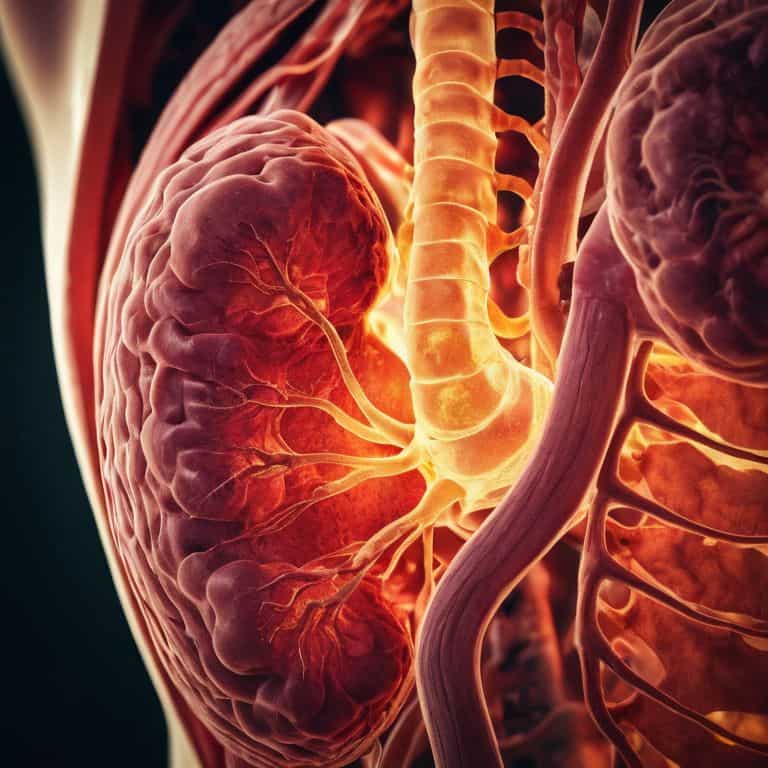
As I reflect on my years as an emergency room doctor, I’ve witnessed firsthand the devastating effects of chronic inflammation on organs. It’s not just a matter of discomfort; chronic inflammation can lead to life-altering diseases, such as arthritis, diabetes, and even certain types of cancer. The inflammatory response, once a natural defense mechanism, becomes a silent saboteur when it persists, causing damage to our bodies from the inside out.
The link between gut health and inflammation is particularly fascinating, and one that I’ve explored in my own self-tracking experiments. A healthy gut microbiome can help regulate the inflammatory response, while an imbalance can exacerbate it. This is why I always recommend an anti-inflammatory diet plan to my patients, rich in fruits, vegetables, and whole grains. By fueling our bodies with the right foods, we can help mitigate the negative effects of chronic inflammation.
But it’s not just about diet; stress reduction techniques also play a crucial role in managing inflammation. As someone who’s passionate about long-distance cycling, I can attest to the fact that regular exercise can help reduce stress and promote overall well-being. By combining a balanced diet with regular physical activity and effective stress management, we can take the first steps towards taming the inflammatory response and preventing disease progression.
Gut Health and Inflammation Link
As I delve into the complex relationship between gut health and inflammation, I’ve come to realize that gut microbiome imbalance can be a significant contributor to chronic inflammation. This imbalance can lead to increased permeability of the gut lining, allowing toxins to leak into the bloodstream and trigger an inflammatory response.
The link between gut health and inflammation is deeply intertwined, with inflammatory cytokines playing a key role in perpetuating the cycle of inflammation. By understanding this connection, we can begin to develop targeted strategies to promote gut health and reduce inflammation, ultimately leading to improved overall well-being.
Stress Reduction Techniques Matter
As I’ve seen in my patients, managing stress is crucial in reducing inflammation. Regular exercise, such as my own long-distance cycling, can help mitigate stress’s impact on the body. By incorporating physical activity into daily routines, individuals can better regulate their stress response and, in turn, reduce inflammation.
Effective stress reduction techniques also include mindfulness practices, such as meditation and deep breathing. Mindful meditation has been shown to decrease the production of pro-inflammatory cytokines, which are molecules that promote inflammation. By adopting these practices, individuals can take a proactive approach to managing stress and reducing inflammation in their bodies.
How Chronic Inflammation Harms

As I’ve seen in my patients, chronic inflammation can have a profound impact on various organs in the body. For instance, when it affects the digestive system, it can lead to conditions like irritable bowel syndrome (IBS), which can significantly impair one’s quality of life. The inflammatory response triggers a cascade of events that can disrupt the normal functioning of organs, ultimately contributing to disease progression.
The effects of chronic inflammation on mental health are also noteworthy. Studies have shown that there’s a strong link between chronic inflammation and mental health, with inflammation being a potential contributor to conditions like depression and anxiety. By adopting stress reduction techniques, such as meditation or yoga, individuals can help mitigate the negative impact of inflammation on their mental well-being. A balanced lifestyle, including a healthy diet and regular exercise, can also play a crucial role in managing inflammation.
In my experience, an anti-inflammatory diet plan can be highly effective in reducing inflammation. By focusing on whole, nutrient-dense foods and avoiding processed and sugary items, individuals can help minimize the effects of chronic inflammation on organs. Furthermore, maintaining a healthy gut health and inflammation link is essential, as an imbalance of gut bacteria can exacerbate inflammation. By understanding the intricate relationships between lifestyle, inflammation, and overall health, individuals can take proactive steps to protect themselves against the harmful effects of chronic inflammation.
Anti Inflammatory Diet Plan Works
As I’ve seen in my practice, incorporating an anti-inflammatory diet into your lifestyle can have a significant impact on reducing chronic inflammation. This involves focusing on whole, unprocessed foods like fruits, vegetables, and whole grains, which are rich in antioxidants and other beneficial compounds.
I always recommend to my patients to start by making small changes, such as increasing omega-3 intake through foods like fatty fish or supplements, to help mitigate inflammation and promote overall well-being.
Effects on Organs and Disease
As I’ve seen in my patients, chronic inflammation can have a profound impact on various organs, leading to conditions such as kidney disease and accelerated aging. This is because inflamed tissues can cause oxidative stress, damaging the delicate balance of cellular functions. I’ve witnessed firsthand how this can lead to a decline in overall health, making it essential to address inflammation promptly.
Chronic inflammation can also increase the risk of developing cardiovascular disease, as it can cause the formation of plaque in arteries, leading to narrowed blood vessels. This, in turn, can reduce blood flow to vital organs, resulting in a range of complications, from mild to severe.
5 Evidence-Based Tips to Tame the Flames of Chronic Inflammation
- Tune into your gut: Focus on a balanced diet rich in fiber, fruits, and vegetables to support a healthy gut microbiome, which plays a crucial role in regulating inflammation
- Get moving, but not too much: Regular moderate-intensity exercise, such as cycling or brisk walking, can help reduce chronic inflammation, but be cautious of overexertion which can have the opposite effect
- Mind your stress: Engage in stress-reducing activities like meditation, deep breathing, or yoga to mitigate the inflammatory response triggered by chronic stress
- Sleep like your life depends on it: Aim for 7-9 hours of sleep per night to help your body regulate inflammatory processes and repair damaged cells
- Stay hydrated and watch your weight: Drink plenty of water and maintain a healthy weight through a combination of a balanced diet and regular physical activity to reduce the risk of chronic inflammation and its associated diseases
Key Takeaways to Tame the Flames of Inflammation
I’ve witnessed firsthand how chronic inflammation can silently wreak havoc on the body, emphasizing the need for a proactive approach to managing and reducing inflammation through lifestyle changes and evidence-based interventions
By understanding the intricate link between gut health, stress levels, and inflammation, individuals can take empowered steps towards mitigating the risks of chronic inflammation, such as adopting an anti-inflammatory diet and practicing effective stress reduction techniques
Empowered with the knowledge of how chronic inflammation can impact organ function and contribute to disease, and armed with strategies like dietary adjustments and stress management, people can make informed decisions to protect their health and well-being, navigating the complex landscape of wellness with a fact-driven approach
The Hidden Threat
Chronic inflammation is like a slow-burning fire that can quietly destroy your body’s foundation, from the gut to the brain, and it’s our job to sound the alarm and take action before it’s too late.
Dr. Anya Sharma
Taking Control of Chronic Inflammation

As I reflect on the complexities of chronic inflammation, it’s clear that understanding the gut health and inflammation link is crucial. By recognizing the role of stress and adopting effective stress reduction techniques, we can begin to mitigate the effects of chronic inflammation. Furthermore, incorporating an anti-inflammatory diet plan into our lifestyle can have a significant impact on our overall well-being. By making informed choices, we can reduce the risk of chronic inflammation and its associated diseases.
So, what’s the takeaway? It’s time to stop letting chronic inflammation be the silent saboteur of our health. By empowering ourselves with knowledge and taking proactive steps, we can take control of our well-being and live healthier, happier lives. As someone who’s passionate about debunking medical misinformation, I urge you to stay informed, stay vigilant, and always prioritize evidence-based health news.
Frequently Asked Questions
What are the most common symptoms of chronic inflammation that I should be aware of?
As I’ve seen in my patients, common symptoms of chronic inflammation include persistent fatigue, joint pain, digestive issues, and skin problems. These can be subtle, but it’s essential to recognize them to take proactive steps towards healing and prevention.
Can chronic inflammation be reversed or managed through lifestyle changes alone?
While I’ve seen patients achieve remarkable results, reversing chronic inflammation often requires a multi-faceted approach. Lifestyle changes, such as a balanced diet, regular exercise, and stress management, can significantly help, but in some cases, medical intervention may also be necessary to fully manage the condition.
How can I determine if I have chronic inflammation and what tests should I ask my doctor to perform?
To determine if you have chronic inflammation, I recommend asking your doctor about a C-reactive protein (CRP) test or an erythrocyte sedimentation rate (ESR) test, which can measure inflammatory markers in your blood. Additionally, a comprehensive metabolic panel and liver function tests can also provide insight into underlying inflammation.