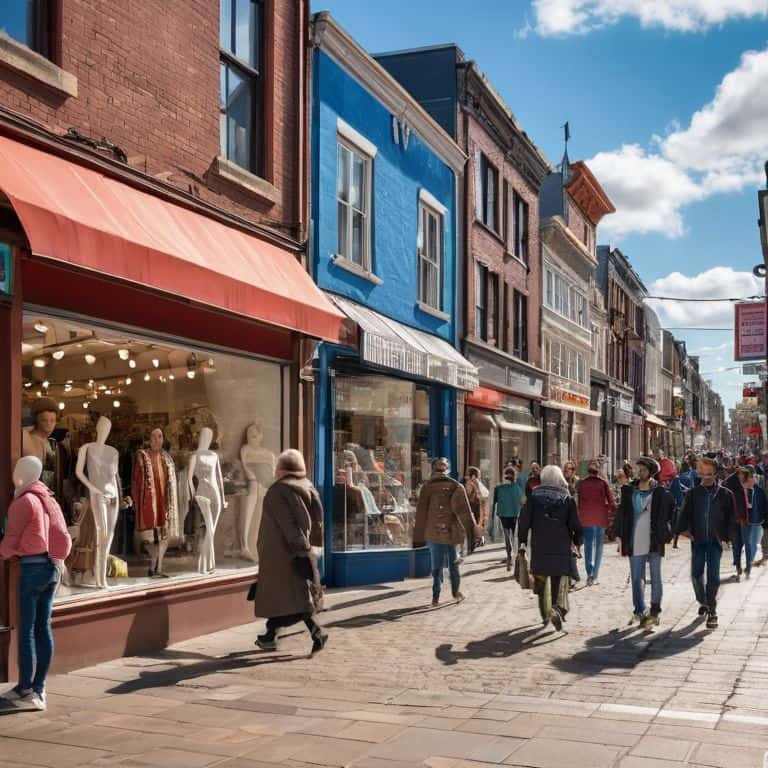
I still remember the first time I walked into a physical store that had been transformed into an immersive brand experience – it was an _Apple Store_, and it changed my perspective on the role of physical stores in a digital age. The way they seamlessly integrated their online and offline presence was a masterclass in strategic innovation. Yet, despite such examples, many still believe that physical stores are a dying breed, a relic of a bygone era. I’m here to tell you that this couldn’t be further from the truth. In fact, when done correctly, physical stores can be a powerful tool in a company’s arsenal, offering a unique opportunity for brands to connect with their customers on a deeper level.
As someone who’s spent years advising Fortune 500 companies on strategy and operations, I’ve seen firsthand the impact that a well-executed physical store presence can have on a business. In this article, I’ll cut through the hype and provide you with _practical, experience-based advice_ on how to rethink the purpose of physical stores in a digital age. I’ll share case studies and strategic frameworks that have been proven to work, and I’ll give you a clear, _no-nonsense_ understanding of the forces that drive success in this space. My goal is to empower you with the knowledge and insights you need to make informed decisions about your own business, and to show you that with the right approach, physical stores can still be a key driver of growth and profitability.
Table of Contents
Reinventing Brick
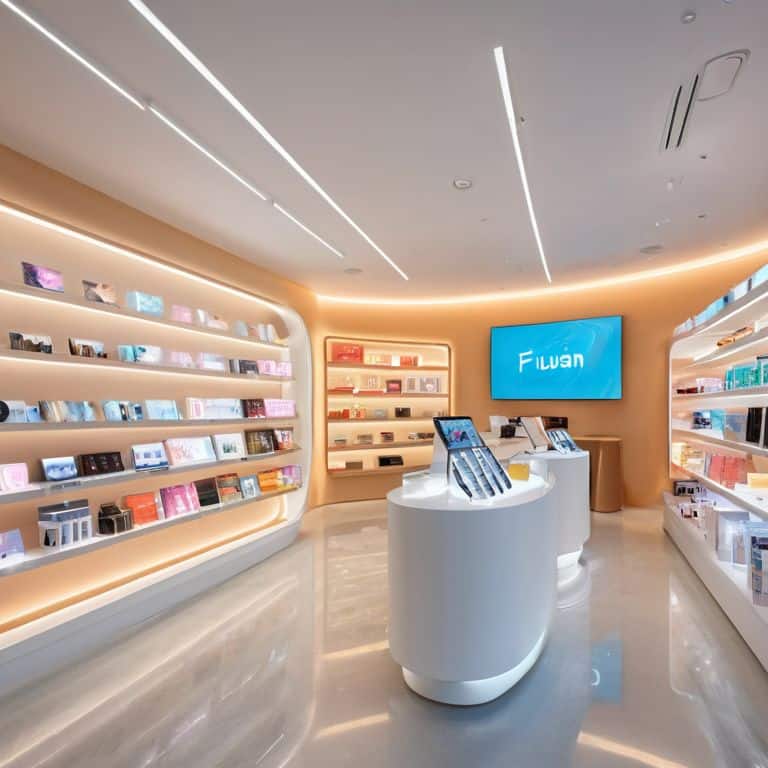
As I see it, reinventing brick is not just about refurbishing old stores, but about reimagining the entire in-store experience. This means incorporating retail technology integration to create a seamless and personalized experience for customers. By leveraging data and analytics, retailers can optimize their store layout to facilitate a more efficient and enjoyable shopping experience.
To achieve this, retailers must adopt an omnichannel retail strategy, ensuring that online and offline channels work in tandem to provide a cohesive brand experience. This can include offering physical store convenience services such as click-and-collect, returns, and exchanges. By streamlining these processes, retailers can increase customer satisfaction and loyalty.
Ultimately, the key to success lies in customer journey mapping, understanding the pain points and motivations of customers as they navigate the retail landscape. By doing so, retailers can identify areas for improvement and implement targeted solutions to enhance the overall shopping experience. This might involve introducing new services or technologies, such as mobile payments or augmented reality displays, to create a more immersive and engaging experience.
In Store Experience Design Matters
As I see it, the future of physical stores hinges on creating an immersive experience that draws customers in and keeps them engaged. This means carefully designing every aspect of the in-store environment, from lighting and decor to product displays and staff interactions. By crafting a unique and inviting atmosphere, retailers can turn their stores into destinations that customers want to visit again and again.
To achieve this, retailers must focus on human-centered design, prioritizing the needs and desires of their customers above all else. This involves understanding what drives customer behavior and using that insight to inform every design decision, from the layout of the store to the types of products on offer.
Omnichannel Retail Strategy Revival
As I see it, the key to revitalizing physical stores lies in adopting an omnichannel retail strategy that seamlessly merges online and offline experiences. This approach allows businesses to create a cohesive brand image, making it easier for customers to engage with the company across various platforms.
By implementing a unified customer experience, retailers can encourage loyalty and increase sales. This can be achieved through strategies such as offering in-store pickups for online orders or providing exclusive in-store promotions to online subscribers.
The Role of Physical Stores

As I delve into the world of brick-and-mortar, I’m reminded of my own experiences restoring classic cars – it’s all about optimizing performance. Similarly, physical stores must be retooled to thrive in a digital landscape. This is where omnichannel retail strategy comes into play, allowing businesses to seamlessly integrate online and offline channels.
A well-designed in-store experience is crucial, as it can make or break a customer’s perception of a brand. In-store experience design is an art that requires careful consideration of factors like store layout optimization and retail technology integration. By striking the right balance between form and function, physical stores can become hubs of engagement, driving sales and fostering brand loyalty.
Ultimately, the key to success lies in customer journey mapping, which enables businesses to identify pain points and areas of opportunity. By streamlining the shopping experience and offering physical store convenience services, retailers can stay ahead of the curve and remain relevant in an increasingly digital world.
Physical Store Convenience Services Boom
As I see it, the future of physical stores lies in their ability to offer convenience-driven services that complement their online counterparts. This is where the magic happens, and customers can experience the best of both worlds. By integrating services like same-day delivery, in-store pickups, and returns, physical stores can become an extension of the online shopping experience.
The key to success lies in creating a seamless experience, where customers can effortlessly switch between online and offline channels. This not only enhances customer satisfaction but also increases loyalty and retention. By leveraging their physical presence, stores can provide value-added services that online-only retailers cannot match.
Retail Technology Integration Insights
As I delve into the world of retail technology, I’m reminded of the pivotal role data analytics plays in enhancing customer experiences. By leveraging data-driven insights, retailers can create personalized interactions that drive loyalty and increase sales. This is particularly evident in the way companies are using AI-powered chatbots to offer tailored recommendations and streamline the shopping process.
The seamless integration of technology into physical stores is also crucial, as it enables retailers to create a cohesive omnichannel experience. By incorporating digital elements, such as mobile apps and digital signage, stores can provide a more engaging and immersive environment for customers, ultimately blurring the lines between online and offline shopping.
5 Strategic Pillars for Thriving Brick-and-Mortar Stores
- Rethink Store Layouts to Enhance Customer Experience and Drive Sales
- Leverage Data Analytics to Personalize In-Store Offers and Improve Customer Engagement
- Implement Seamless Omnichannel Integration to Bridge Online and Offline Shopping
- Invest in Employee Training to Foster a Culture of Exceptional Customer Service
- Strategically Integrate Retail Technology to Streamline Operations and Enhance the Shopping Experience
Key Takeaways: Revitalizing Physical Stores in the Digital Era
Physical stores can thrive in the digital age by adopting an omnichannel retail strategy that seamlessly integrates online and offline experiences, focusing on in-store experience design that drives customer engagement and loyalty
Convenience services and retail technology integration are crucial for physical stores to remain competitive, offering customers a unique blend of personalized service, immersive brand experiences, and streamlined shopping processes
By rethinking their purpose and leveraging strategic frameworks, physical stores can transition from mere points of sale to vibrant hubs of brand interaction, community building, and customer relationship management, ultimately driving long-term business success
Rethinking Retail
Physical stores are not a relic of the past, but a vital component of a harmonious retail ecosystem, where the boundaries between online and offline dissolve, and the customer experience becomes the ultimate currency.
Richard Kessler
Beyond the Digital Hype: The Enduring Relevance of Physical Stores
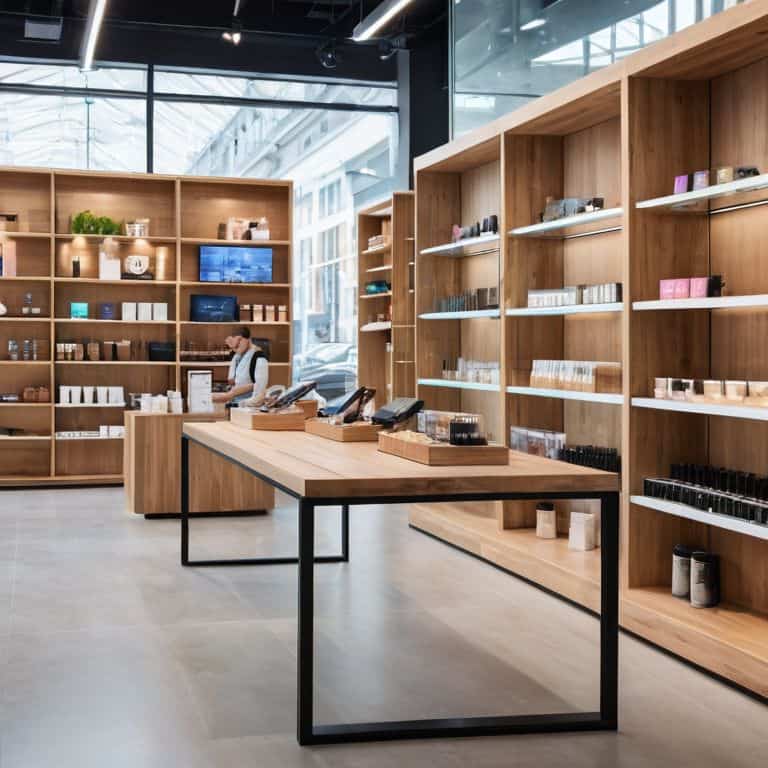
As we’ve explored throughout this article, the role of physical stores in a digital age is multifaceted and evolving. We’ve discussed the importance of reinventing brick and adopting an omnichannel retail strategy, as well as the need to focus on in-store experience design. We’ve also examined the boom in physical store convenience services and the insights gained from retail technology integration. By understanding these trends and adapting to changing consumer preferences, businesses can unlock the full potential of their physical stores and create a seamless, integrated shopping experience.
So, as we look to the future, let’s not forget that physical stores are not just a relic of the past, but a vital component of a successful retail strategy. By embracing innovation and experimentation, businesses can stay ahead of the curve and create stores that are not just relevant, but thriving. As a seasoned business strategist, I firmly believe that the key to success lies in striking a balance between the physical and digital worlds, and I’m excited to see how retailers will continue to evolve and push the boundaries of what’s possible in the years to come.
Frequently Asked Questions
How can physical stores effectively integrate online and offline channels to create a seamless customer experience?
To create a seamless customer experience, physical stores must adopt an omnichannel approach, integrating online and offline channels through strategies like buy-online-pickup-in-store, mobile apps, and in-store digital kiosks, ensuring a cohesive brand experience across all touchpoints.
What role can physical stores play in providing personalized customer service and building brand loyalty in a digital age?
Physical stores are ideal for delivering personalized service, fostering brand loyalty through tailored experiences and human connections, which online platforms often can’t replicate.
How can retailers leverage technology and data analytics to optimize their physical store operations and improve customer engagement?
By harnessing data analytics and retail technology, such as AI-powered inventory management and personalized marketing, retailers can streamline operations, enhance customer experiences, and drive sales – it’s about leveraging these tools to solve the puzzles of inventory, supply chain, and customer behavior.