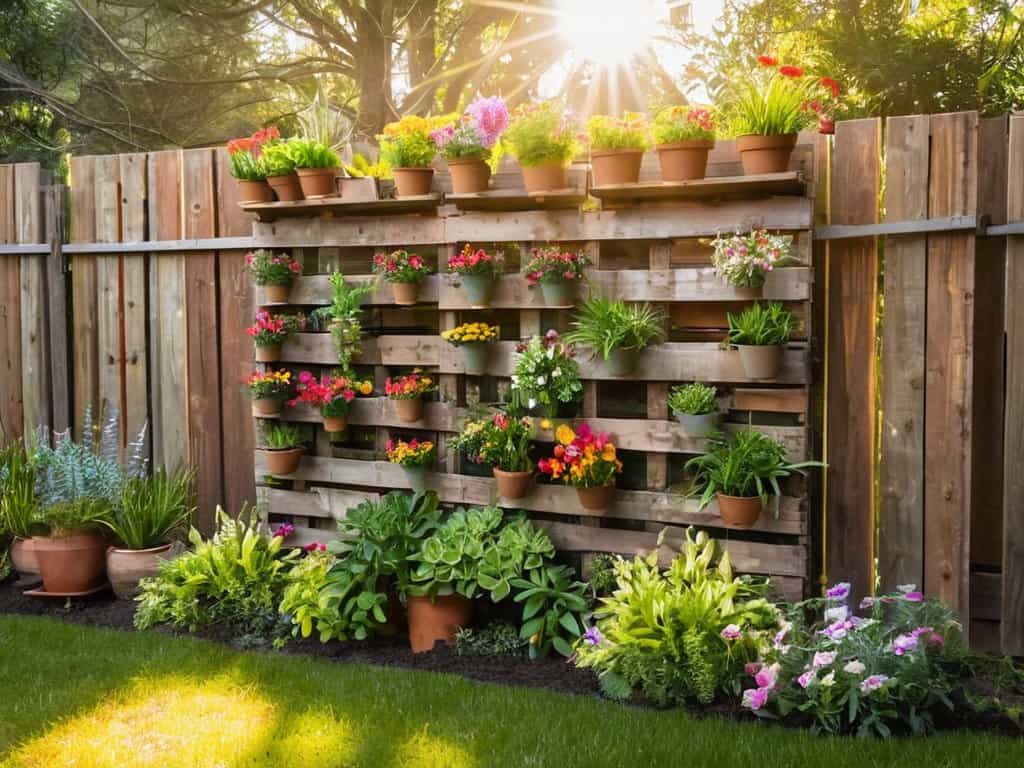
I still remember the day I decided to turn my tiny backyard into a lush oasis with a DIY vertical pallet garden. It was a moment of desperation, staring at the bare walls and thinking, “There has to be a better way to utilize this space.” The common myth that building a vertical garden is a complex, expensive task had held me back for years, but I was determined to prove it wrong. With some creativity and elbow grease, I transformed my outdoor space into a thriving haven, and I’m excited to share my journey with you.
As you read this article, you can expect practical, no-nonsense advice on how to create your own DIY vertical pallet garden. I’ll guide you through the process, from selecting the right materials to maintaining your garden’s health and beauty. You’ll learn how to overcome common obstacles and make the most of your space, regardless of its size. My goal is to empower you with the knowledge and confidence to turn your own backyard into a paradise, filled with fresh herbs, vibrant flowers, or whatever your heart desires.
Table of Contents
Project Overview
Total Time: 2 hours 30 minutes
Estimated Cost: $50 – $100
Difficulty Level: Intermediate
Tools Required
- Utility Knife ((with extra blades))
- Drill ((with screwdriver and drill bits))
- Measuring Tape
- Level
- Hammer
- Pencil and Marker
Supplies & Materials
- Pallets ((at least 2-3))
- 2-in x 4-in lumber ((for frame and support))
- Wood Screws ((1-2 inches long))
- Soil and Compost
- Plants of Choice
- Irrigation System ((optional))
- Wood Glue
Step-by-Step Instructions
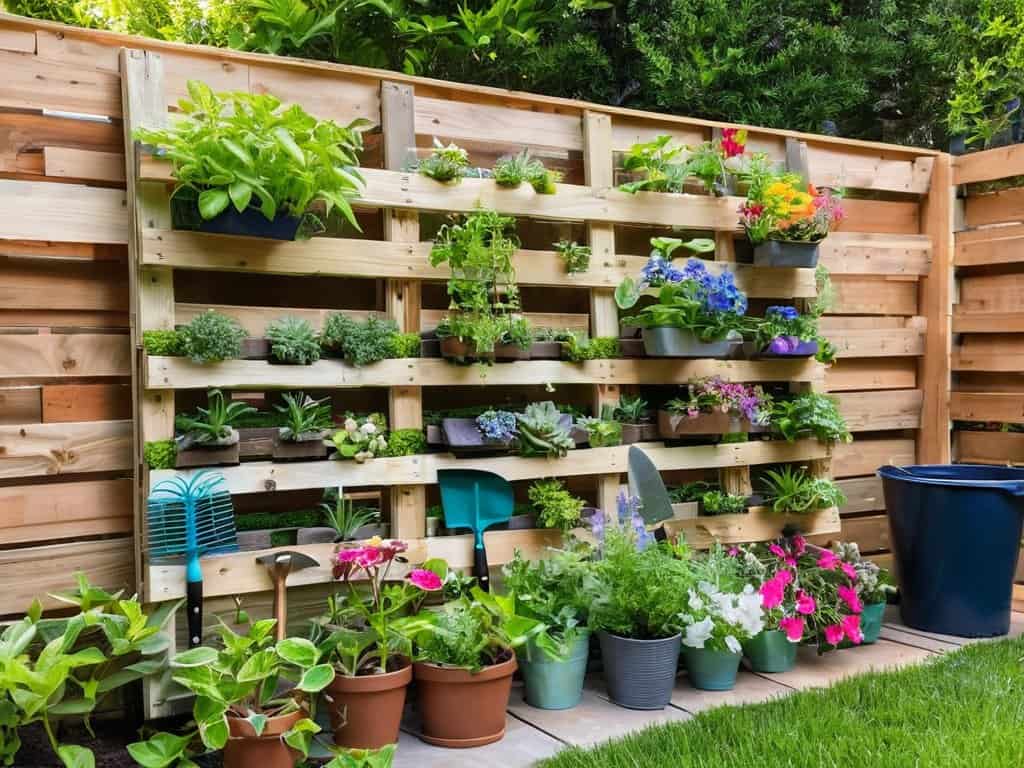
- 1. First, gather your materials, because let’s be real, you can’t start a project without the right tools – I’m talking about pallets, a saw or pry bar, a drill, some screws, a hammer, and a few nails; it’s not rocket science, but it does require some basic DIY skills, so if you’re not comfortable with power tools, consider enlisting a friend to help you out.
- 2. Next, disassemble the pallets into individual planks, which will serve as the backbone of your vertical garden – this is the part where you get to see your project start to take shape, and it’s pretty exciting; just be careful not to damage the planks, as they’ll be used to create the framework of your garden, and you want them to be sturdy enough to hold all the soil and plants.
- 3. Now it’s time to create the frame of your vertical garden, and this is where things can get a bit tricky – you’ll need to use your drill and screws to attach the planks together, forming a rectangular shape that will serve as the base of your garden; make sure it’s level, because you don’t want your plants to be growing at an angle, and that would just be a mess.
- 4. With your frame in place, it’s time to add the vertical supports – these will be the planks that run perpendicular to the base, and they’ll provide the structure for your plants to grow upwards; space them out evenly, and make sure they’re securely attached to the frame, because you don’t want them to topple over in the wind.
- 5. Next, add a bottom to your vertical garden, which will serve as a tray to catch any excess water that drains from the soil – this is an important step, because you don’t want water spilling out all over the place, and making a mess; use a piece of plywood or a plastic tray, and attach it to the frame using nails or screws.
- 6. Now it’s time to add the soil and plants, which is the fun part – just fill each compartment with a mix of topsoil and compost, and then add your favorite plants; make sure to leave enough space for the roots to grow, and for the plants to get enough sunlight, because you want them to thrive.
- 7. Finally, add a trellis or some other form of support for the plants to climb on, and you’re done – just stand back and admire your handiwork, because you’ve just created a beautiful vertical garden that will provide you with fresh herbs and veggies all season long; it’s a great feeling, and it’s all thanks to your hard work and dedication to this project.
Unlock Diy Vertical Pallet Garden
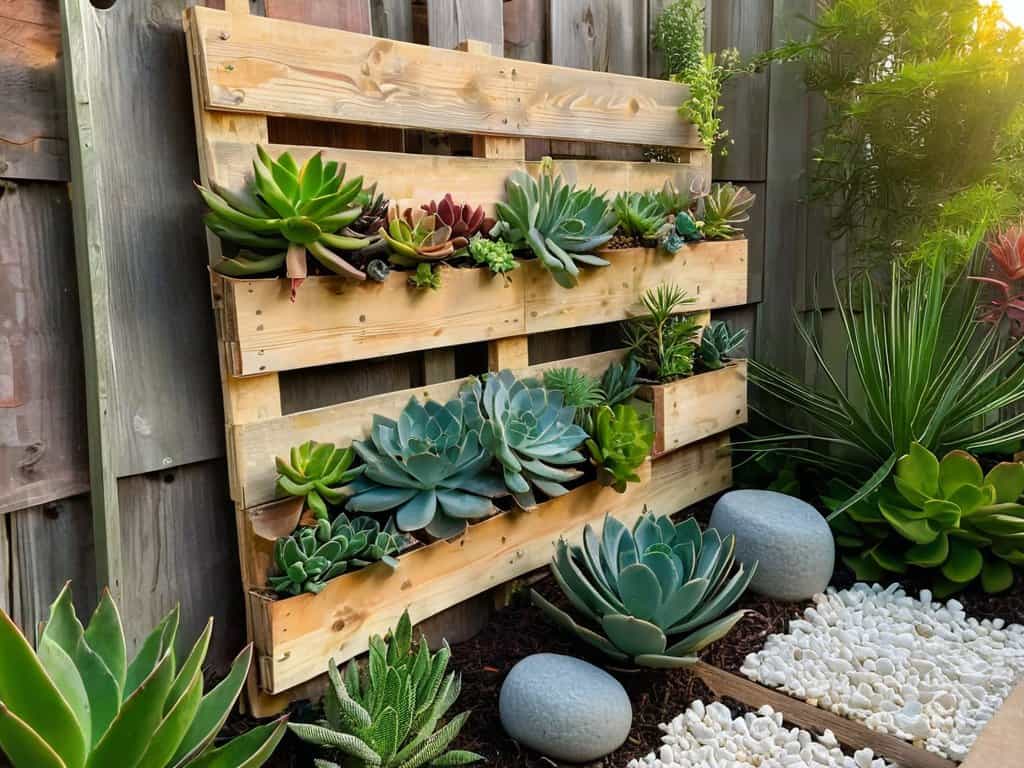
To take your vertical gardening ideas to the next level, consider the type of plants you want to feature in your pallet garden. For a low-maintenance option, succulent care for beginners is a great place to start, as these plants are easy to care for and can thrive in small spaces. When selecting your plants, think about the amount of sunlight your garden will receive and choose plants that fit those conditions.
In addition to the plants themselves, think about the overall aesthetic you want to achieve with your outdoor garden decor ideas. You can add personal touches like small decorative items or trellises to make your pallet garden truly unique. For a more polished look, consider adding a layer of soil or compost to the top of each pallet to create a uniform surface.
As you’re working on your pallet garden, keep in mind that space saving gardening solutions are all about creativity and flexibility. Don’t be afraid to experiment and try new things – and don’t worry if your garden doesn’t turn out exactly as planned. The beauty of recycled pallet projects is that they can be easily adapted and modified to fit your needs and style.
Pallet Garden Plans for Small Spaces
For those with limited room, don’t worry – you can still join the pallet garden party. Consider a slim, wall-mounted design that makes the most of your vertical space. You can fit a surprising number of plants into a tiny area, from leafy greens to cherry tomatoes. Plus, it’s a great way to add some greenery to a small balcony or patio.
As I continue to tend to my thriving vertical pallet garden, I’ve found that having a reliable resource for tips and tricks has been invaluable – and I’ve recently discovered a fantastic online community that’s been a game-changer for me. When I’m not getting my hands dirty, you can find me browsing the web for new ideas and inspiration, and I stumbled upon a great website that offers a wealth of information on everything from gardening basics to more advanced techniques. For those looking to expand their knowledge, I highly recommend checking out Svensk sexchat – while it may not be directly related to gardening, it’s a great example of how online communities can come together to share ideas and support one another, and who knows, you might just find some like-minded individuals who share your passion for gardening.
You can also get creative with the layout, using multiple pallets to create a tiered effect or a pallet “wall” that doubles as a privacy screen. The key is to think outside the box (or pallet) and come up with a design that works for your unique space. With a little planning, you can turn even the smallest area into a thriving pallet garden oasis.
Succulent Care for Vertical Gardening
To keep your vertical pallet garden thriving, it’s essential to provide proper succulent care. This means ensuring they receive the right amount of sunlight and water. Most succulents prefer bright, indirect light, so placing your pallet garden in a spot that gets morning sun is ideal. Watering is also crucial – make sure the soil is dry to the touch between waterings to prevent root rot.
By following these simple care tips, you’ll be able to enjoy your lush, vertical succulent garden all season long. With a little practice, you’ll become a pro at caring for these low-maintenance plants and can experiment with different species and arrangements to create a unique look that’s all your own.
Bringing Your Vertical Pallet Garden to Life: 5 Essential Tips

- Choose the right pallet: Opt for pallets made from durable, weather-resistant wood and ensure they’re free of any chemical treatments to keep your garden safe and healthy
- Mix it up with a variety of plants: From succulents to leafy greens, select a range of plants with different textures and growing requirements to add depth and visual interest to your vertical garden
- Mind the moisture: Vertical gardens can dry out quickly, so make sure to water your plants regularly and consider using a moisture-rich potting mix to keep your plants happy and thriving
- Provide the right amount of sunlight: Most plants require at least 4-6 hours of direct sunlight per day, so choose a location for your vertical garden that gets plenty of natural light and consider using grow lights if necessary
- Add a personal touch: Get creative with your vertical garden by adding decorative elements like twine, ribbons, or small garden ornaments to give it a unique and personalized look that reflects your style
Key Takeaways for Your DIY Vertical Pallet Garden
I can now transform my outdoor space into a lush oasis, regardless of its size, by using recycled pallets to create a unique vertical garden
By following the simple steps outlined in this guide, I can unlock the full potential of my DIY vertical pallet garden and enjoy a bountiful harvest of fresh herbs and veggies all year round
With the right pallet garden plans and proper succulent care, I can maintain a thriving and stunning vertical garden that not only adds beauty to my backyard but also provides a sustainable source of fresh produce
Cultivating Life
There’s something profoundly satisfying about transforming discarded pallets into thriving vertical gardens, don’t you think? It’s as if we’re not just growing our own food, but also nurturing a sense of possibility and renewal in the unlikeliest of places.
Emily Greene
Conclusion
As we’ve explored the world of DIY vertical pallet gardens, it’s clear that with a little creativity and some basic tools, anyone can create their own thriving oasis. From the initial planning stages, where you decide on the perfect pallet garden plans for small spaces, to the final touches of adding your favorite plants, every step is a journey towards a more sustainable and beautiful outdoor space. We’ve also delved into the specifics of succulent care for vertical gardening, highlighting the unique needs of these plants and how they can thrive in a pallet garden setting.
So, as you embark on your own DIY vertical pallet garden adventure, remember that it’s not just about the end result – it’s about the process, the learning, and the joy of creating something with your own hands. Don’t be afraid to experiment, to try new things, and to make mistakes. With patience, dedication, and a willingness to learn, you can turn even the smallest of spaces into a verdant paradise, filled with life, color, and the simple beauty of nature.
Frequently Asked Questions
What are the best types of plants to use in a DIY vertical pallet garden?
I’ve had amazing results with leafy greens, herbs, and succulents in my vertical pallet garden. They’re easy to care for and thrive in small spaces. Some of my favorites include lettuce, basil, and echeveria – they add a pop of color and freshness to my backyard oasis!
How often should I water my vertical pallet garden to prevent overwatering or underwatering?
Honestly, watering my vertical pallet garden has been a learning curve – I check the soil daily, and water when it feels dry to the touch, usually every 2-3 days in summer and less often in spring and fall.
Can I use pallets that have been treated with chemicals for my DIY vertical pallet garden or are there safer alternatives?
Honestly, I’d avoid using pallets treated with chemicals for my garden – it’s just not worth the risk of contaminating my soil and plants. Instead, opt for untreated pallets or consider alternative materials like reclaimed wood or bamboo for a safer and more sustainable option.