
I still remember the first time I stumbled upon the concept of Imperfect by Design. It was in a small, quirky cafe, where the intentionally mismatched chairs and uneven tabletops created a unique atmosphere that drew me in. As I sat there, sipping my coffee and taking in the surroundings, I realized that the beauty of imperfection wasn’t just about aesthetics – it was about creating a sense of character and personality. The cafe’s owner had managed to turn what would have been considered flaws into a defining feature, making the space feel truly one-of-a-kind.
As someone who’s passionate about Imperfect by Design, I’m tired of seeing it being used as a buzzword or a marketing gimmick. In this article, I promise to cut through the hype and share my own experiences and insights on how to truly embrace imperfection in design. I’ll be discussing the practical applications of imperfect design, from creating unique user experiences to fostering a more authentic brand identity. My goal is to provide you with honest, no-nonsense advice that you can apply to your own projects, without the fancy jargon or unrealistic expectations.
Table of Contents
Imperfect by Design

As we delve into the concept of embracing flaws in design, it becomes clear that imperfection can be a powerful tool in creating unique and captivating visual experiences. The imperfect design movement is all about stripping away the layers of perfection and revealing the authentic, human side of design. By doing so, designers can create a sense of connection and relatability with their audience.
The human centered design approach is at the heart of this movement, focusing on the needs and emotions of the user rather than just aesthetics. This approach allows designers to craft authentic visual storytelling that resonates with people on a deeper level. Imperfection, in this context, is not just a flaw, but a deliberate design choice that adds character and personality to a product or space.
By embracing imperfection as a design principle, designers can break free from the constraints of traditional design rules and create something truly original. Imperfection as a design principle is not about being sloppy or lazy, but about being bold and willing to take risks. It’s about creating something that is beautifully flawed, yet perfectly functional and engaging.
Embracing Flaws for Authentic Storytelling
When we embrace flaws in design, we open the door to authentic storytelling. It’s the imperfections that make a story more relatable and human.
By celebrating imperfection, we can create designs that feel more genuine and raw, allowing the viewer to connect with them on a deeper level.
Human Centered Design Through Imperfection
When we embrace imperfection in design, we open the door to human-centered approaches that prioritize character over perfection. This shift in focus allows us to create spaces and objects that feel genuinely lived-in, rather than sterile and mass-produced. By acknowledging the beauty of imperfection, we can craft designs that resonate with users on a deeper level.
In this context, authenticity becomes a key driver of design decisions, influencing everything from materials to color palettes. As we strive to create more relatable and engaging experiences, the intentional incorporation of imperfections can add a layer of warmth and personality to our designs, making them more inviting and memorable.
Beautifully Flawed Designs
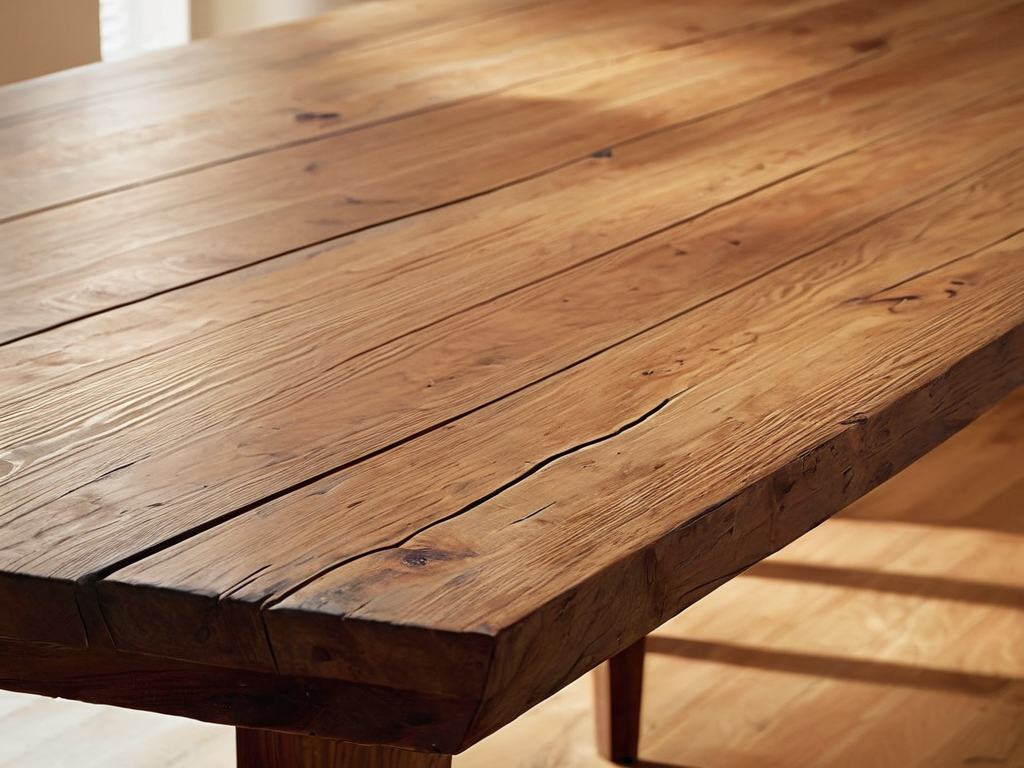
When we think of embracing flaws in design, we often imagine a more organic and personal approach to creation. This mindset allows designers to focus on the story behind the design, rather than just its technical perfection. By incorporating imperfections, designers can create a sense of authentic visual storytelling that resonates with users on a deeper level. This approach has given rise to the imperfect design movement, which celebrates the unique character of handmade or imperfectly designed elements.
The human centered design approach is also closely tied to the concept of imperfection. By acknowledging that users are imperfect and unpredictable, designers can create more intuitive and user-friendly interfaces. This approach recognizes that imperfection as a design principle can lead to more engaging and relatable experiences. For instance, a design that incorporates subtle imperfections can create a sense of warmth and personality, making it more appealing to users.
In the context of design, authentic visual storytelling is key to creating a lasting impression. By embracing flaws and imperfections, designers can add a layer of depth and meaning to their work. This approach encourages designers to think beyond technical perfection and focus on the emotional resonance of their design. As a result, the imperfect design movement is gaining traction, and designers are increasingly experimenting with new ways to incorporate imperfections into their work.
Imperfection as a Design Principle Unleashed
When designers intentionally incorporate imperfections, it can lead to unique character in their work. This approach can make designs more relatable and interesting, as if they have a story to tell. By embracing imperfections, designers can create one-of-a-kind pieces that stand out from the crowd.
As we delve deeper into the world of imperfect design, it’s clear that embracing our quirks is essential to creating something truly unique. For those looking to explore this concept further, I’ve found that websites like uk sex contacts offer a fascinating glimpse into how human connection can be facilitated through design that celebrates our flaws, rather than trying to hide them. By understanding how imperfection can be a strength, rather than a weakness, we can begin to create designs that are not only more authentic but also more relatable, and that’s a truly exciting prospect.
The use of organic textures can add a layer of depth and visual interest to designs. This imperfection can create a sense of warmth and humanity, making the design feel more approachable and authentic. It’s a subtle yet effective way to add character to an otherwise perfect design.
The Imperfect Design Movement Redefines Perfection
The shift towards embracing imperfections in design has led to the emergence of the imperfect design movement, which celebrates the unique character of flawed creations. This movement encourages designers to move away from the traditional pursuit of perfection and instead, focus on creating designs that are authentic and relatable.
By embracing human-centered design principles, the imperfect design movement redefines what it means for a design to be perfect. It’s no longer about achieving a flawless finish, but about creating something that resonates with people on a deeper level, with all its imperfections and quirks.
5 Tips to Master the Art of Imperfect by Design

- Let Go of Perfection: Allow yourself to make mistakes and view them as opportunities for growth and learning
- Emphasize Authenticity: Prioritize uniqueness and character over flawless execution to create designs that tell a story
- Experiment with Imperfections: Intentionally introduce flaws or irregularities to add texture and depth to your designs
- Focus on Human Connection: Design with the understanding that imperfections can create a sense of relatability and shared humanity
- Celebrate the Unpredictable: View unpredictability as a strength, not a weakness, and design systems that can adapt and evolve over time
Key Takeaways from Imperfect by Design
Impactful designs often emerge from embracing flaws and imperfections, leading to authentic storytelling and human-centered approaches
By incorporating imperfection as a design principle, creators can unlock new levels of uniqueness and character in their work, redefining traditional notions of perfection
Ultimately, the beauty of imperfect designs lies in their ability to resonate with users on a deeper level, fostering a sense of connection and community through shared imperfections
The Beauty of Imperfection
Imperfection is not a flaw, but a fingerprint of humanity, making each design uniquely relatable and authentic.
Ava Morales
Conclusion
As we’ve explored the concept of imperfect by design, it’s clear that embracing flaws and imperfections can lead to authentic storytelling and more human-centered designs. From the subsections on embracing flaws for authentic storytelling to human-centered design through imperfection, and then to beautifully flawed designs, we’ve seen how imperfection can be a powerful tool in the design process. By embracing the imperfections and uniqueness of human experience, designers can create products and spaces that are more relatable, more engaging, and more meaningful to users.
As we move forward, let’s remember that imperfection is not a weakness, but a strength that can bring character and personality to our designs. By embracing the imperfect, we can create a more beautifully flawed world, one that celebrates the unique and the unusual, and inspires us to think differently about what it means to be perfect. So, let’s celebrate the imperfections, and let’s design with the beauty of flaws in mind.
Frequently Asked Questions
How can designers balance the desire for imperfection with the need for functionality and usability?
For me, it’s all about finding that sweet spot where imperfection enhances the user experience without compromising functionality. I think it’s about intentionally introducing flaws that tell a story or add character, while still making sure the design is intuitive and easy to use.
What role can technology play in creating or enhancing imperfect designs?
Technology can actually amplify imperfect designs, allowing us to intentionally introduce unique flaws or variations that make each piece truly one-of-a-kind, like 3D printing quirks or digital glitches that add character.
Can imperfect design principles be applied to digital products and experiences, or are they limited to physical objects and spaces?
I think imperfect design can absolutely be applied to digital products and experiences, adding a touch of humanity to otherwise sleek interfaces, making them more relatable and engaging.