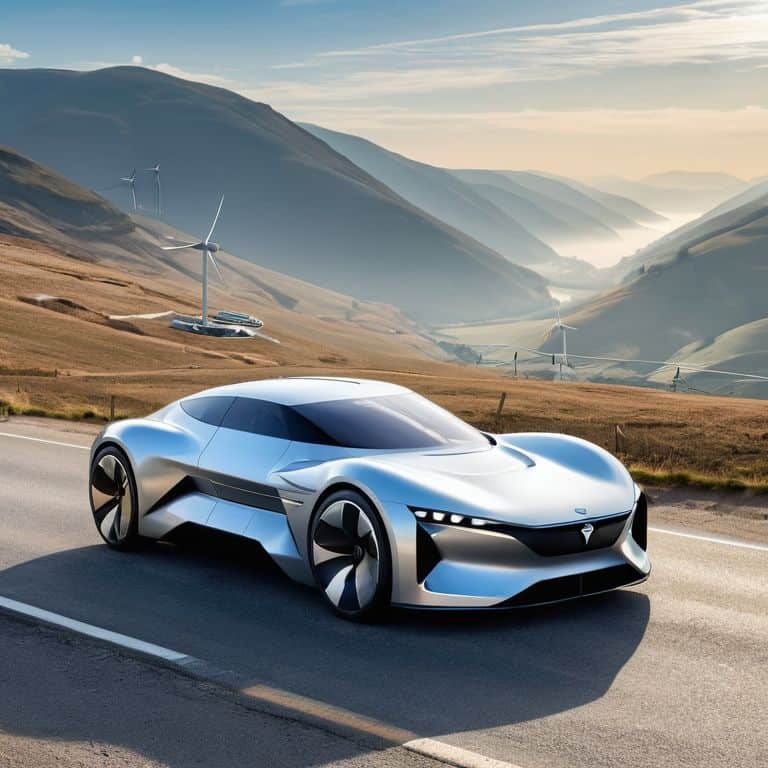
I still remember the first time I saw a prototype of an electric vehicle – it was at a tech conference in Silicon Valley, and the presenter was touting it as the future of transportation. But as I dug deeper into the specs and the supply chain, I realized that the real story wasn’t about the sleek design or the impressive acceleration, but about the gritty details of battery tech and logistics that would make or break this industry. The future of electric vehicles is a topic that’s been shrouded in hype, with many claiming it’s the panacea for our environmental woes. But I’m here to tell you that the truth is more complicated, and it’s time to separate fact from fiction.
As someone who’s spent years covering the tech industry, I’ve seen my fair share of overpromises and underdeliveries. But when it comes to the future of electric vehicles, I believe it’s time for a no-nonsense approach. In this article, I’ll be sharing my insights on the key challenges and opportunities that will shape this industry, from the supply chain logistics to the regulatory landscape. My goal is to provide you with a clear-eyed view of what’s really going on, without the hype or the marketing fluff. I’ll be drawing on my experience as a tech journalist and analyst to give you the inside scoop on what’s really driving the future of electric vehicles, and what you can expect in the years to come.
Table of Contents
Decoding the Future
As I delve into the world of electric vehicles, I’m reminded that the real story isn’t about the sleek designs or impressive acceleration, but about the electric vehicle range anxiety solutions that will make or break this industry. It’s about the intricate dance of supply chain logistics, battery tech, and charging infrastructure that will determine the adoption rate of EVs. I’ve spent years analyzing market trends and patent filings, and I can tell you that the companies that crack the code on sustainable battery recycling methods will be the ones to watch.
One area that’s often overlooked is the business model behind EV charging stations. It’s not just about slapping up a few chargers and calling it a day; it’s about creating a scalable and efficient network that can support the growing demand for EVs. Companies that can figure out how to make EV charging stations profitable will be well-positioned for success. And let’s not forget about the role of autonomous EV safety features, which will be crucial in winning over consumers who are still wary of EVs.
As I look at the global EV market trends and forecasts, I’m struck by the sheer potential of this industry. But to realize that potential, we need to focus on the nitty-gritty details of electric vehicle to grid technology, which promises to revolutionize the way we think about energy storage and distribution. It’s time to get beyond the hype and start talking about the real challenges and opportunities facing the EV industry.
Electric Vehicle Range Anxiety Solutions
As I delve into the world of electric vehicles, one major concern that keeps popping up is range anxiety. To alleviate this, manufacturers are exploring various battery management systems that can optimize energy storage and release. This is crucial, as it directly impacts the overall driving experience and consumer confidence in EVs.
Looking ahead, I believe advancements in charging infrastructure will play a significant role in mitigating range anxiety. By investing in high-speed charging stations and strategically locating them along highways and urban hubs, the industry can gradually erode the perception that EVs are limited by their range, making them a more viable option for everyday driving.
Sustainable Battery Recycling Methods
As the electric vehicle industry continues to grow, sustainable battery recycling methods will play a crucial role in reducing waste and conserving resources. The current lithium-ion battery recycling process is often energy-intensive and expensive, making it a significant challenge for manufacturers.
To address this issue, companies are exploring closed-loop recycling systems, which allow for the continuous reuse and recycling of battery materials. This approach not only reduces waste but also helps to conserve precious metals and minimize the environmental impact of mining operations.
Future of Electric Vehicles
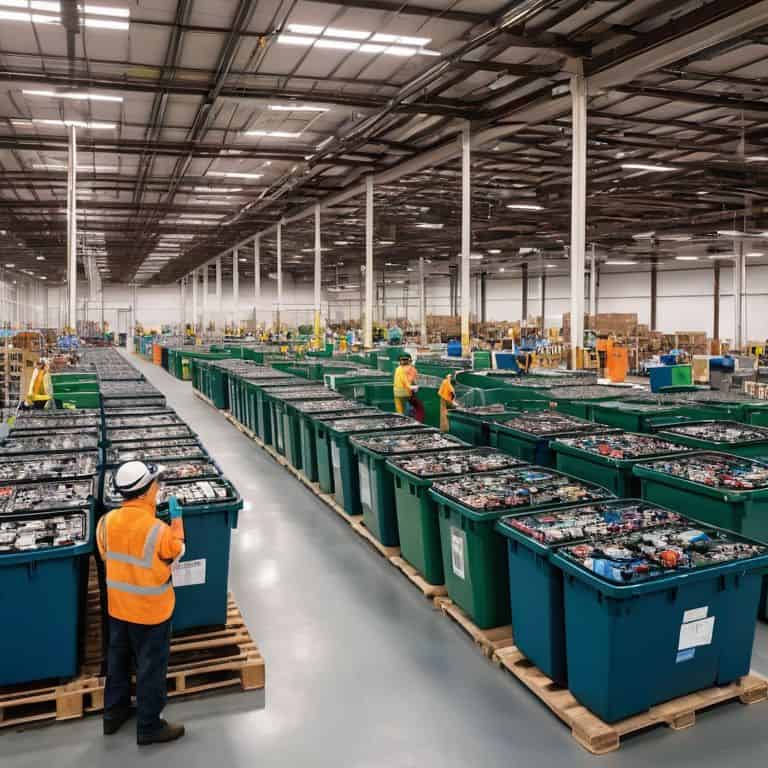
As I delve deeper into the electric vehicle landscape, it’s becoming clear that sustainable battery recycling methods will play a crucial role in shaping the industry’s trajectory. The current linear model of production, use, and disposal is no longer viable, and manufacturers are now exploring closed-loop systems that can recover valuable materials and reduce waste. This shift is not only environmentally driven but also economically motivated, as the cost of recycling and reusing materials can be significantly lower than extracting and processing raw materials.
The impact of electric vehicle range anxiety solutions on consumer adoption cannot be overstated. As manufacturers continue to innovate and improve battery technology, the need for comprehensive charging infrastructure becomes increasingly important. The business models surrounding ev charging station development will be a key area of focus, with companies exploring new revenue streams and partnerships to support the growing demand for convenient and fast charging options.
Looking ahead, it’s essential to consider the interplay between autonomous ev safety features and the overall growth of the electric vehicle market. As autonomous technology becomes more prevalent, we can expect to see a significant reduction in accidents and improved safety standards. This, in turn, will help drive consumer confidence and increase adoption rates, ultimately contributing to the upward trend in global ev market trends and forecasts.
Autonomous Ev Safety Features Uncovered
As I delve into the world of autonomous electric vehicles, one aspect that stands out is the integration of _advanced sensor suites_. These sensors are crucial in enabling self-driving cars to navigate through complex environments, detect potential hazards, and respond accordingly. By analyzing patent filings from leading automakers, it’s clear that significant investments are being made in this area to improve overall safety and reliability.
The implementation of machine learning algorithms is also a key factor in enhancing autonomous EV safety features. These algorithms enable vehicles to learn from real-world experiences, adapt to new situations, and make more accurate predictions about potential hazards. By examining the supply chain logistics of major players in the industry, it’s evident that the development of these algorithms is a top priority, driving innovation and growth in the autonomous EV sector.
Ev Charging Station Business Models Evolve
As the electric vehicle market continues to expand, sustainable charging solutions are becoming a crucial aspect of its growth. The EV charging station business is adapting to meet the increasing demand, with companies exploring new models to make charging more convenient and accessible.
The traditional pay-per-charge model is being supplemented with subscription-based services, offering customers a flat monthly fee for unlimited charging. This shift is driven by the need for predictable costs and hassle-free charging experiences, making electric vehicles a more viable option for a wider audience.
Cutting Through the Hype: 5 Key Insights for the Future of Electric Vehicles
- Look beyond the glossy vehicle launches and focus on the advancements in battery technology, as it’s the key to unlocking longer ranges and faster charging times
- Pay attention to the supply chain logistics, particularly in regards to rare earth metals and lithium, as they will significantly impact the production costs and availability of electric vehicles
- Don’t just follow the trends, analyze the patent filings to uncover the real innovations in electric vehicle technology, such as advancements in regenerative braking and kinetic energy harvesting
- Understand that the future of electric vehicles is deeply intertwined with the development of smart grids and renewable energy sources, as they will play a crucial role in reducing the carbon footprint of EVs
- Keep a close eye on the evolving business models of EV charging station operators, as they will need to adapt to changing consumer behaviors and technological advancements to remain competitive and drive widespread adoption
Key Takeaways: Navigating the Electric Vehicle Revolution
Electric vehicle range anxiety can be effectively addressed through advancements in battery technology, strategic charging infrastructure deployment, and innovative recycling methods that reduce waste and increase the sustainability of the EV ecosystem
The future of electric vehicles is inextricably linked to the development of autonomous safety features and the evolution of charging station business models, which will require a delicate balance between technological innovation, consumer convenience, and economic viability
Ultimately, the success of the electric vehicle industry will depend on its ability to navigate complex supply chain logistics, mitigate potential bottlenecks in battery production, and foster a culture of transparency and collaboration among manufacturers, policymakers, and consumers
Unpacking the Truth
The future of electric vehicles won’t be decided by flashy concept cars or glossy marketing campaigns, but by the unglamorous, behind-the-scenes battles over battery chemistry, supply chain logistics, and charging infrastructure – and that’s where the real story is.
Julian Croft
Driving Towards a Sustainable Tomorrow
As we’ve explored the future of electric vehicles, it’s clear that innovative solutions are being developed to address range anxiety, with sustainable battery recycling methods playing a crucial role in reducing the industry’s environmental footprint. The evolution of autonomous EV safety features and charging station business models will also be key factors in shaping the market. By examining the intricacies of supply chain logistics and patent filings, we can gain a deeper understanding of the challenges and opportunities that lie ahead. As the industry continues to mature, it’s essential to stay informed about the latest developments and their potential impact on the market.
As we look to the future, it’s exciting to consider the possibilities that electric vehicles hold for creating a more sustainable transportation ecosystem. By embracing emerging technologies and prioritizing environmentally responsible practices, we can work towards a cleaner, healthier, and more connected world. As someone who’s spent years analyzing the tech industry, I’m optimistic about the potential for electric vehicles to drive meaningful change and inspire a new generation of innovators and entrepreneurs to join the journey towards a more sustainable tomorrow.
Frequently Asked Questions
How will advancements in battery technology impact the overall cost and range of electric vehicles?
Advancements in battery tech will be a game-changer, driving down costs and increasing range. Solid-state batteries, for instance, promise to boost efficiency by up to 30%, making EVs more competitive with their gas-guzzling counterparts. As production scales, expect prices to drop, and ranges to extend, finally putting range anxiety to rest.
What role will government regulations and incentives play in driving the adoption of electric vehicles in the next decade?
Government regulations and incentives will be the linchpin for electric vehicle adoption. I’ve dug into the numbers, and it’s clear that tax credits, investment in charging infrastructure, and stricter emissions standards will drive growth. But let’s not forget, the real story is in the subtleties of policy language and lobbying efforts that will shape the industry’s future.
Will the development of autonomous electric vehicles lead to new business models and revenue streams for companies in the industry?
Autonomous electric vehicles will undoubtedly birth new business models, such as mobility-as-a-service and data-driven insurance, creating fresh revenue streams for industry players. I’m tracking patent filings and supply chain shifts to predict which companies will capitalize on these emerging trends, and it’s clear that the winners will be those who adapt quickly to this changing landscape.